


Saudi Flavors of the Arabian Peninsula: A Journey Through Traditional Cuisine
Saudi Cuisine Guide
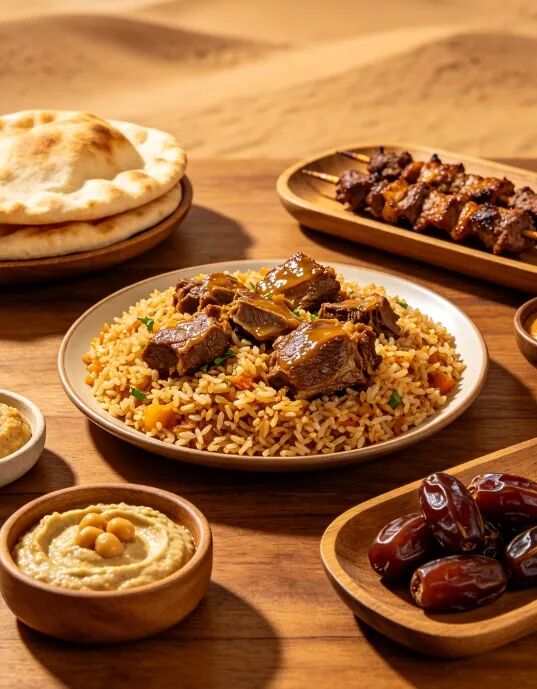

Every flavor is a delightful surprise.
Saudi cuisine has never been simply food to fill the stomach; it is a fusion of nature’s gifts and cultural depth — the resilient ingredients nurtured by the arid desert, the diverse spices brought by ancient trade routes and the dining etiquette shaped by Islamic culture are all hidden in every fragrant bite. Today, let us step into Saudi Arabia together and unlock the traditional delicacies and culinary culture concealed in the warmth of everyday life.
1. Must-try traditional dishes:Every bite holds the soul of Saudi Arabia
Saudi cuisine centres on simplicity and purity. Most dishes are prepared from two to four main ingredients, and the essence of the flavour lies in the quality of the ingredients themselves and the skilful blending of spices, rather than in complicated cooking techniques.

1. Jareesh — A Time-Honoured Staple with Millennia of Heritage
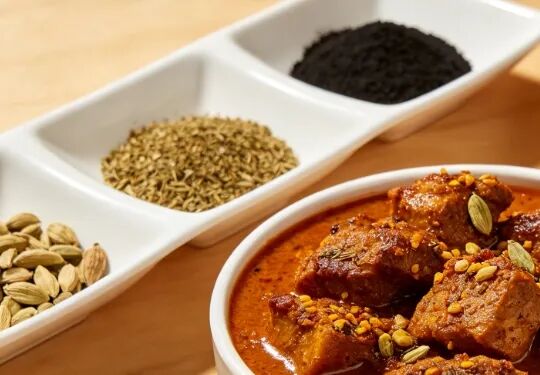
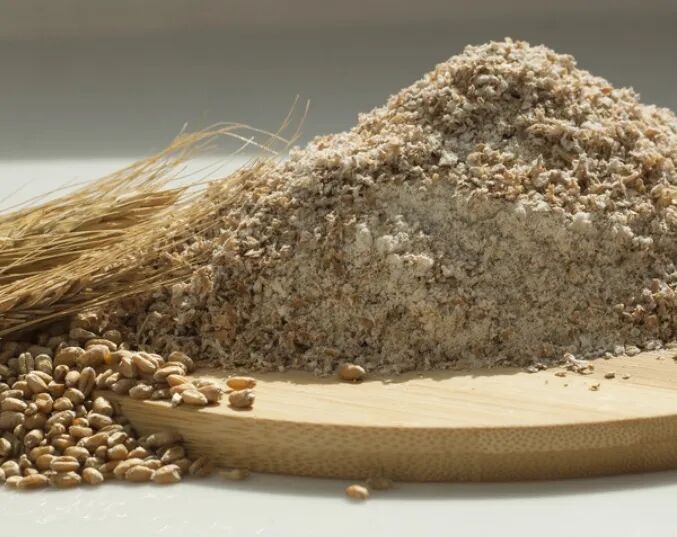
Designated the national dish by the Saudi Culinary Commission, Jareesh is one of the staple foods with the deepest historical roots in Saudi society: it was recorded as early as 1823 and is also a classic delicacy mentioned in ancient Arabic books. Its creation grew out of the Saudi people’s skilful use of the resources of an arid environment. Women across the Arabian Peninsula used coarse milling tools to crush wheat into grains, then simmered them for hours with lamb or chicken, seasoning the pot with cardamom and the distinctive local black lime, until the wheat was soft and the meat had melted into the porridge, giving it a dense, mellow texture. One spoonful releases layer upon layer of wheat, meat and slightly sour spice: it is both a solid source of energy in desert life and the plainest, most profound strand of Saudi Arabia’s culinary DNA.
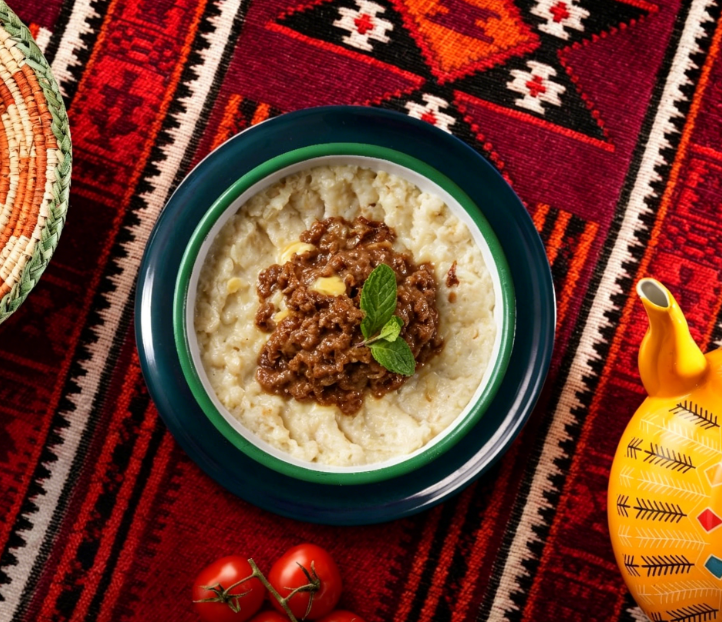
Jareesh
2. Kabsa — The National Hand-Eaten Rice, a Harmony of Spices and Meat
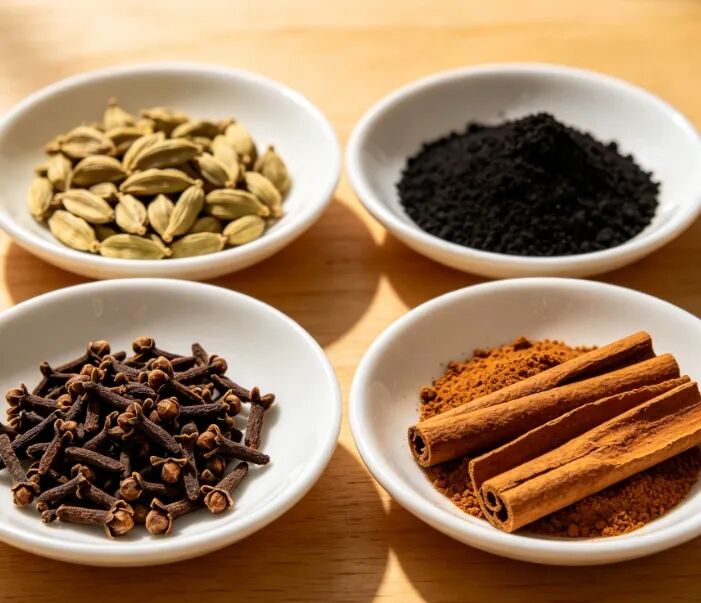
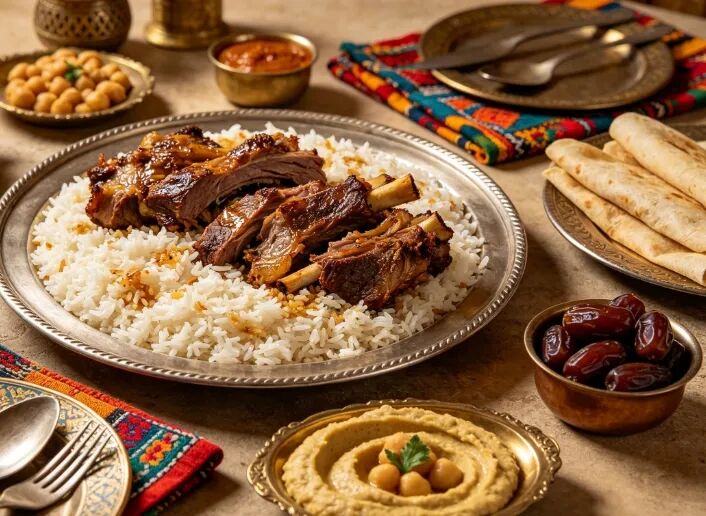
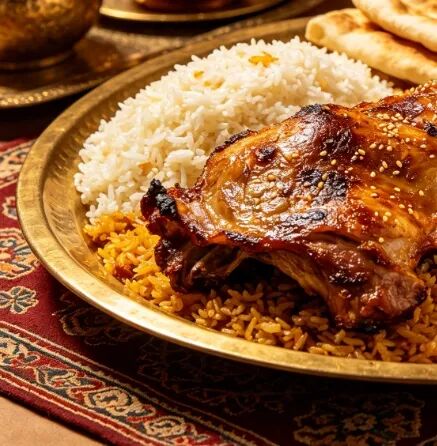
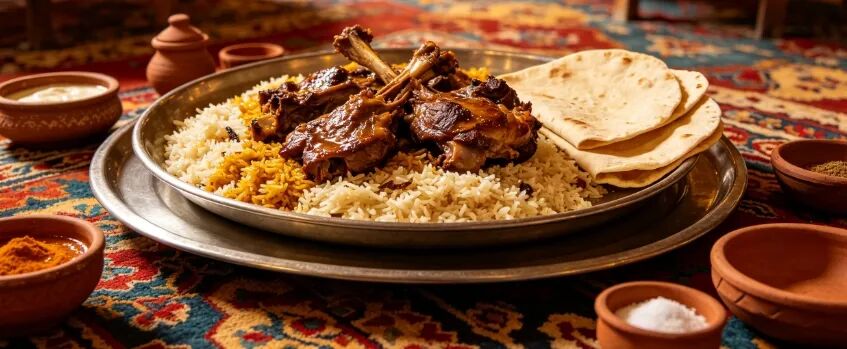
If Jareesh is Saudi Arabia’s cultural symbol, then Kabsa is the regular guest at the Saudi table. The dish looks plain — rice is simmered slowly in one pot with meat (chicken, lamb or camel) and vegetables — yet it has a soul of its own thanks to the spices. Cardamom, cloves, black lime, cinnamon and others come together; the rice soaks up the richness of the meat and the spices, and the meat is stewed until tender and falling off the bone. The most authentic way to eat it is for the family to sit together and share a single platter with the five fingers of the right hand, which satisfies the palate and passes on family affection and friendship.
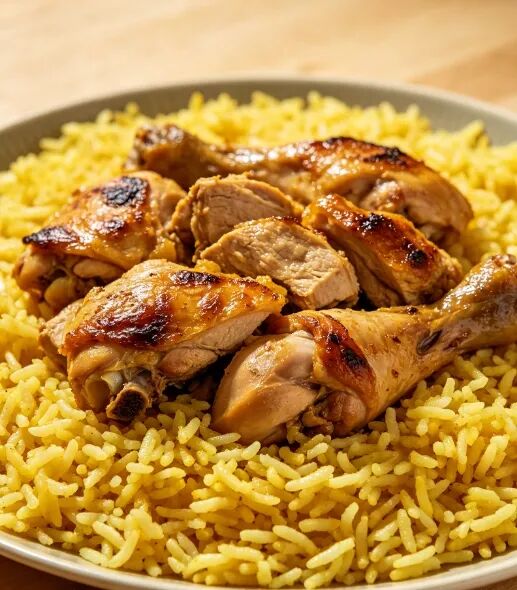
Kabsa
3. Regional Specialties: Discover the Distinctive Flavours of Saudi Arabia’s Provinces
0
1
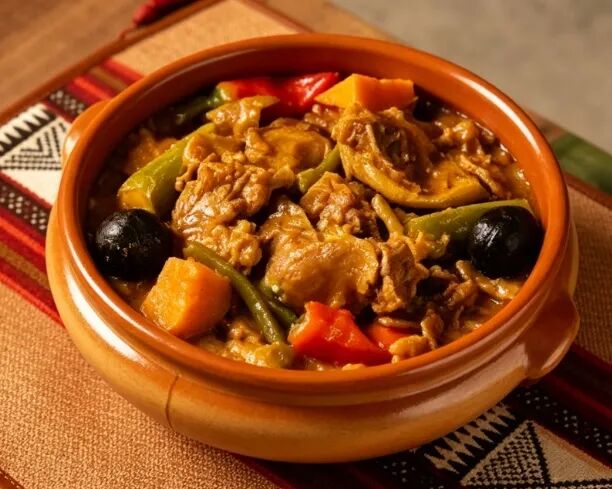
Riyadh Province | Margoog
The soulful home-style stew of Riyadh: thin sheets of dough simmered with lamb and seasonal vegetables in a richly spiced broth, the dough soaking up the meat and the stock. Warm, thick and mellow, it is the most unpretentious everyday flavour of the Najd Plateau.
0
2
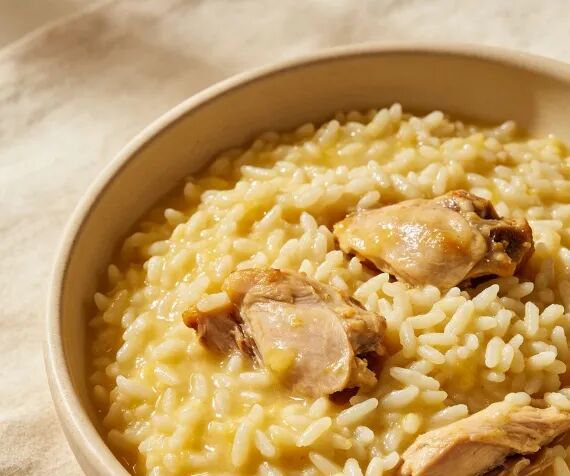
Makkah Province | Saleeg
Known as the Saudi version of risotto, rice and chicken are slowly stewed in milk and butter; mild and creamy, it holds the tenderness of the western coast;
03
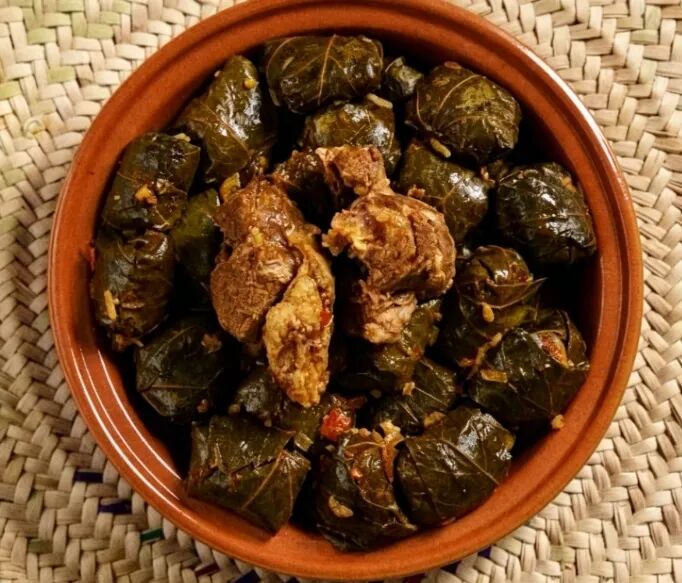
Ha’il Province | Kubaibat Hail, Grape-Leaf Rice Parcels
The signature home-style dish of Ha’il in northern Saudi Arabia: fresh grape leaves are stuffed with seasoned rice and minced meat, with local spices and tomatoes added, then layered in an earthenware pot with bone-in lamb and slow-cooked. The fresh fragrance of the leaves mingles with the rice and meat in a rich, tangy aroma; it is the plain warmth of northern Najd.
04
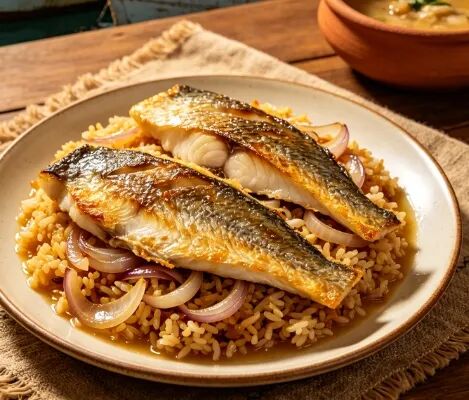
Tabuk Province | Sayadiyah
A fisherman’s flavour from the Red Sea coast: white fish (sea bass or snapper) pan-fried until the skin is golden, with rice simmered in caramelised onion and a fish stock of secret spices. The rice absorbs the fresh richness and the fish carries a smoky aroma — a savoury gift from the north-western coast.
Saudi
4. Special Desserts: Tenderness in a Sweet Finale
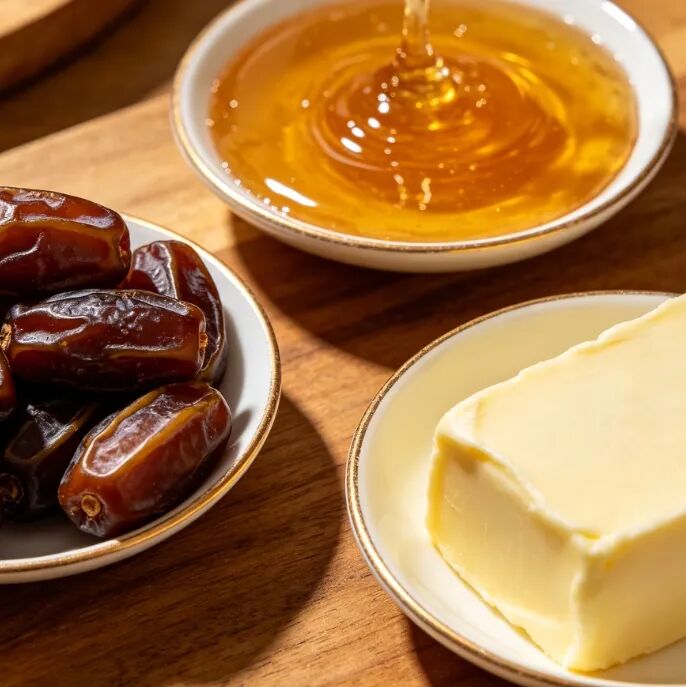
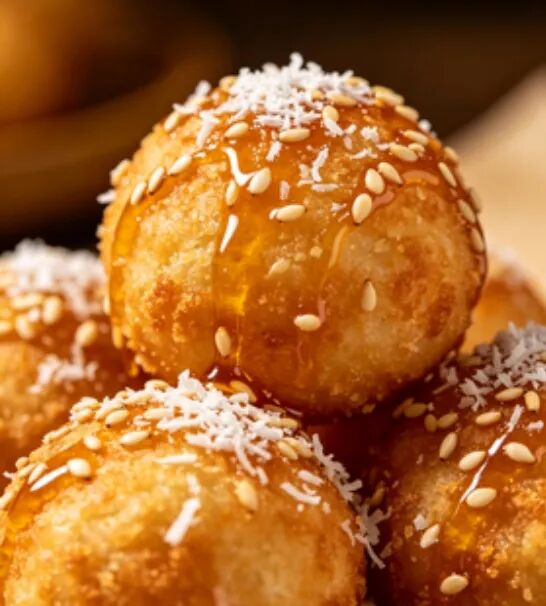
Saudi desserts are based mainly on dates, honey and butter: sweet but not cloying, with a natural richness. Luqaimat is one of the most popular snacks — fried dough balls crisp on the outside and soft within, sprinkled with sesame or shredded coconut and drizzled with honey or syrup, one bite each.
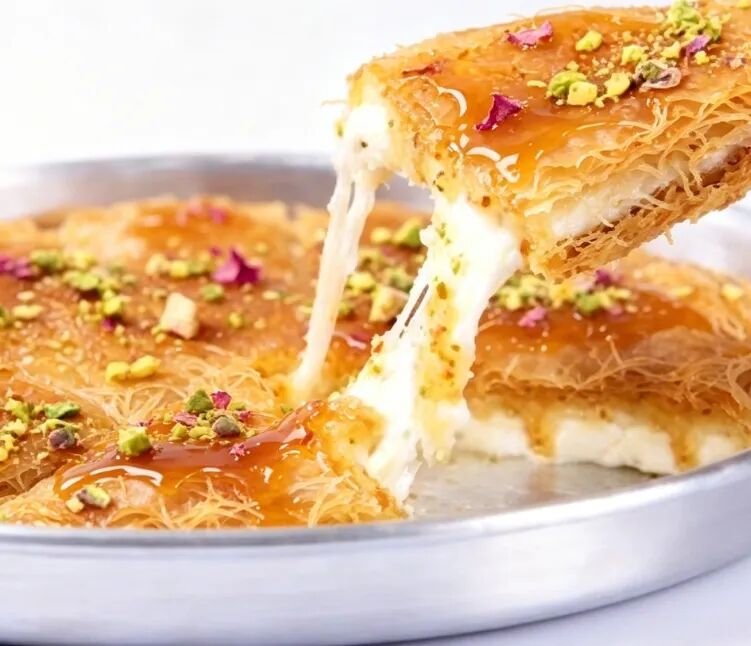
Kunafa carries an even stronger sense of occasion: crisp shredded pastry wrapped around melted cheese and drizzled with rose syrup, so that when it is served hot the sweetness is laced with floral notes. At festivals and family gatherings, such a platter of desserts often marks the high point of the feast.
SWEETS
2. Saudi Culinary Culture: Faith, Etiquette and Hospitality
Saudi culinary culture is deeply rooted in Islamic belief and Bedouin nomadic tradition. Here every meal carries a sense of ritual, and every detail holds profound cultural depth.
1. Halal Cuisine: Dietary Principles Shaped by Faith
Influenced by Islamic law, the Saudi diet strictly follows halal principles. Animals must be slaughtered according to a specific method to ensure that the ingredients are clean and permissible, and pork and alcoholic drinks are strictly forbidden. In Saudi Arabia people often call food a blessing, reciting the Tasmiyah (in the name of God) before a meal and praising God after it, so that reverence and gratitude run through every meal.
2. Hospitality: Warmth Expressed Through Food
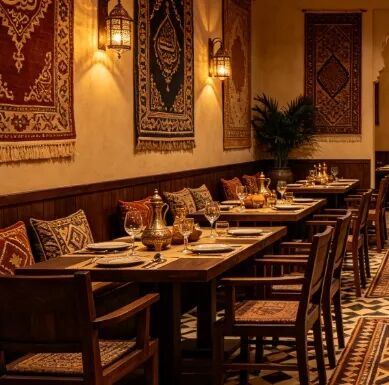
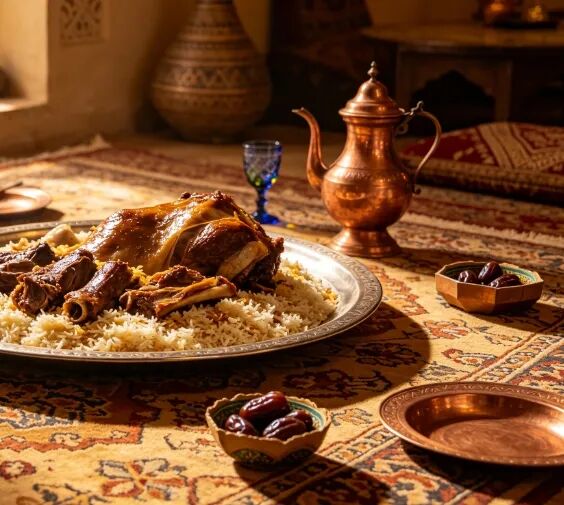
Saudis are renowned for their hospitality, and food is the most direct way of expressing goodwill. At a traditional meal people sit on the floor around a platter of food and eat with the right hand, taking only what is directly in front of them. The host takes the initiative in cutting the meat, making sure every guest can reach the food easily.
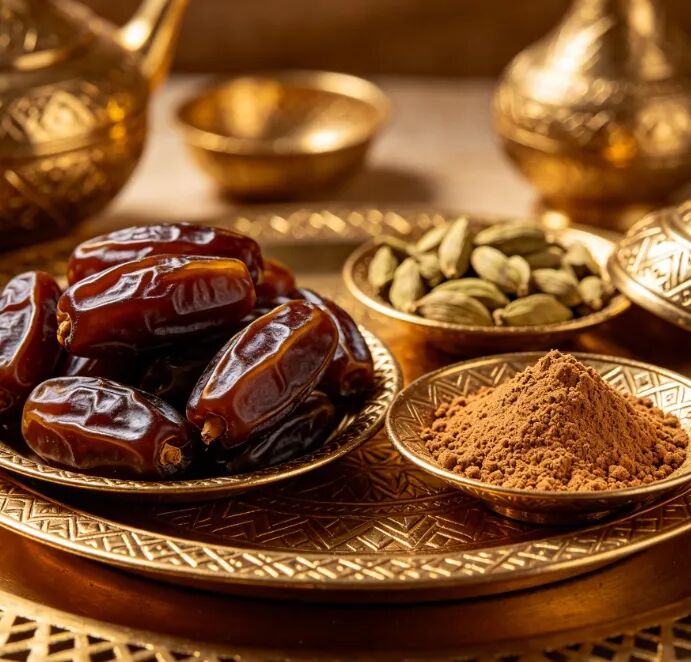
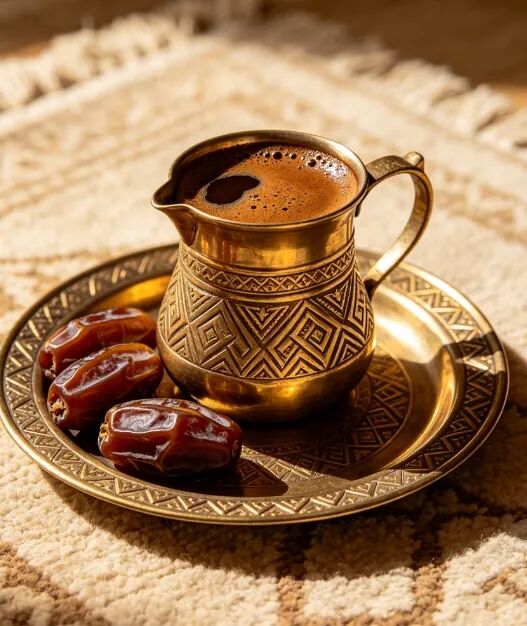
Arabic coffee is the highest expression of hospitality. Brewed from coffee beans together with cardamom and other spices, it is rich and slightly bitter. The host pours it for guests into delicate little cups; guests receive the cup with both hands and, when they have finished, gently shake it to show that they do not want a refill. A sweet date alongside blends bitter and sweet, which perfectly expresses the Saudi philosophy of hospitality.
3. Diet and Life: Living in Harmony with Nature and Respecting Traditions
Saudi cuisine is closely bound to the natural environment. In the cooler north, high-calorie dishes such as Kubaibat from Ha’il Province (seasoned rice wrapped in grape leaves and slow-cooked) are especially widespread; in the humid, fertile south, wheat is the main ingredient and dishes emphasise the natural flavour of the ingredients; and in the coastal areas, rich marine resources make seafood a local hallmark.
During Ramadan, people often eat Luqaimat and Harees when breaking the fast at sunset; during the pilgrimage season, traditional foods such as Makkah rice supply pilgrims with energy. Every dish carries the meaning and the blessings of the occasion.
3. Practical Dining Etiquette: The Right Way to Dine in Saudi Arabia
If you have the chance to travel to Saudi Arabia, remembering these details of etiquette will both show your respect and help you experience the local culture better.
- Wash your hands before meals; some restaurants provide dedicated hand-washing sinks;
- Eat only with your right hand, keeping your left hand by your side and not using it to take or pass food;
- Wait for the host or the senior men to begin before you start eating;
- Receive food and drinks with both hands;
- After the meal, you may express your thanks by saying “daimah” (may your table always be abundant);
- Tipping is usual in restaurants, at around 10% of the bill.
Saudi
Saudi cuisine has neither elaborate plating nor complicated techniques, yet it offers the purest flavours and the deepest sentiment. From the millennia-old heritage of Jareesh to the nationwide love of Kabsa, from the diversity of regional dishes to the finely detailed dining etiquette, every fragrant bite holds the history, culture and warmth of Saudi Arabia.
Next time Saudi Arabia comes up, beyond the desert and the holy sites, do also remember these delicacies hidden among spices and everyday warmth — they are the gentler side of the Arabian Peninsula.