


A Guide to Saudi Arabia’s History: From Ancient Kingdoms to the Modern Silk Road
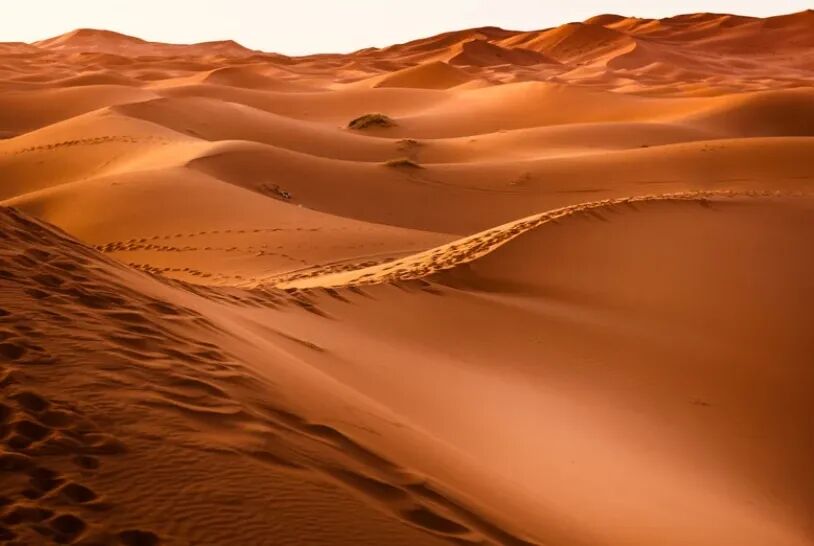
When people think of Saudi Arabia, most envision endless seas of sand, the pulsing rhythm of oil, or the solemn silhouette of the holy city of Mecca. In fact, this land, which occupies 80% of the Arabian Peninsula, is one of the crucial cradles of human civilization. From the footprints of human migration 125,000 years ago to the birth and spread of Islam, from the rise and fall of ancient kingdoms to the emergence of the modern nation, thousands of years of history lie buried within silent ruins, waiting to be understood.
01
Dawn of Antiquity: The Cradle of Civilization, Imprints Hidden Deep in the Desert (1,300,000BCE – 5th Century CE)
As early as 1.3 million years ago, there were traces of human activities on the land of Saudi Arabia — the stone tools unearthed in the northern and southwestern regions are very similar to those in the Olduvai Gorge in Tanzania. It is speculated that these are the marks left by Homo erectus migrating from Africa, making Saudi Arabia an important stop on the road of early human intercontinental migration.
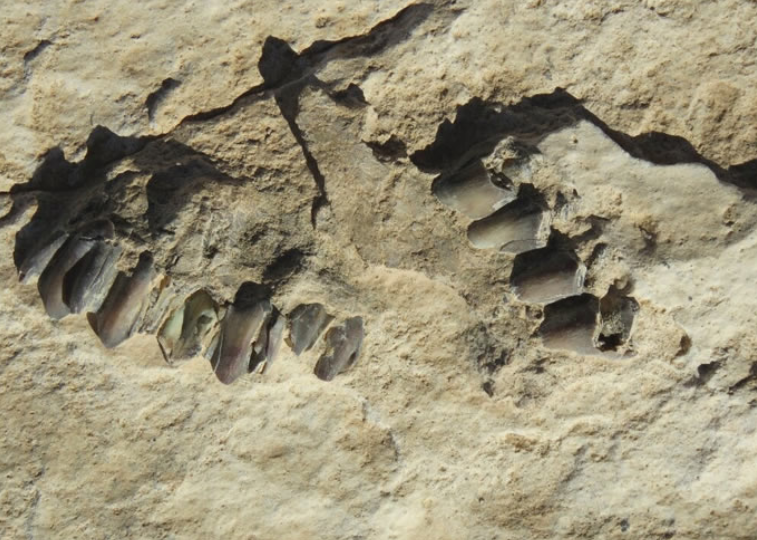
In the Tabuk region of northern Saudi Arabia, fossilized human and animal footprints dating back over 120,000 years have been discovered.
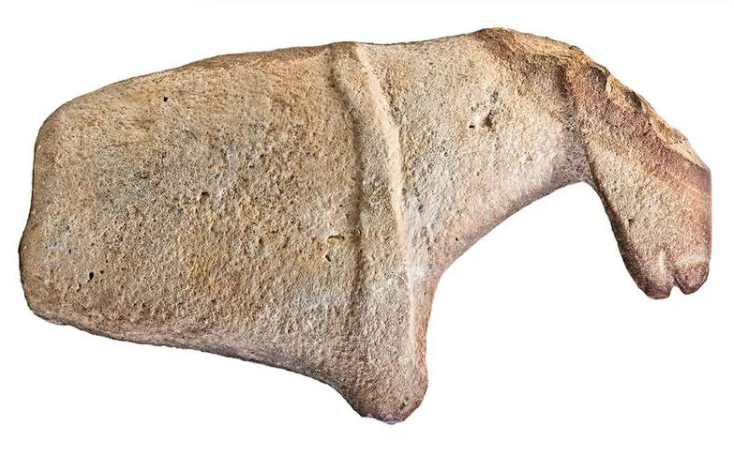
Fragment of a Stone Horse, Neolithic period,Saudi National Museum.
Around 8810 BC, stone animal statues and polished stone tools appeared on the wasteland of the Majardah area. Among them, the lifelike stone horse relics rewritten the history of human horse domestication — this place has been proven to be one of the earliest regions in the world to domesticate horses, earlier than the previously recognized horse domestication time in Central Asia. Imagine that ancient ancestors, leading domesticated horses on this land, cultivated and grazed beside oases, built dwellings with stone tools, and sowed the first seed of Saudi civilization.
02
Legends of Kingdoms on the Trade Routes (5000 BCE – 6th Century BCE)
Starting from 5000 BC, the Saudi region gradually got rid of the primitive nomadic state. Relying on the Incense Route running through the East and the West, several ancient civilizations and kingdoms emerged one after another, becoming an important trade hub connecting the three continents of Europe, Asia and Africa, and leaving countless stunning relics.
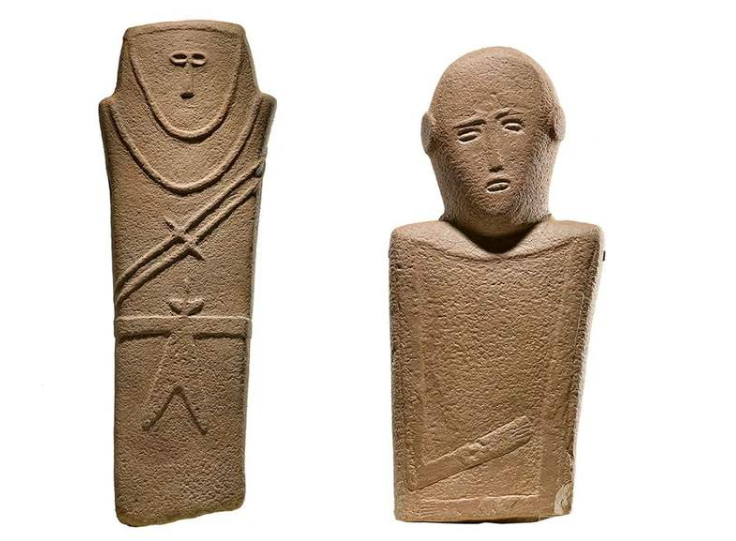
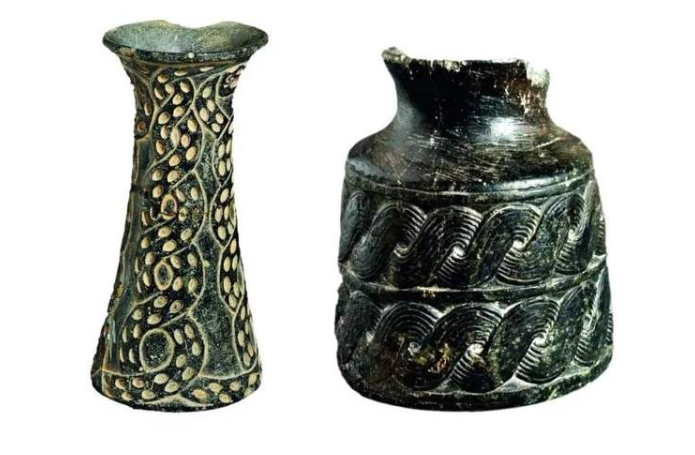
Left: Anthropomorphic Stela 4000–3000 BCE
These stelae are the earliest and most renowned representative ancient human artifacts discovered to date in the Arabian Peninsula.
Right:Serpentine Conical Vessel / Stone Vessel 3500–3000 BCE
From 5300 BC to 3800 BC, the Dilmun Civilization quietly emerged on Tarut Island in the northeast. The Ubaid pottery unearthed on the island witnessed the migration of the Mesopotamians — they brought advanced pottery making technology here, integrated with the local ancestors, and started thousands of years of trade between the two regions. Tarut Island also became an important link connecting Mesopotamia and the East, where merchant ships docked, and spices, pottery and silk flowed continuously.
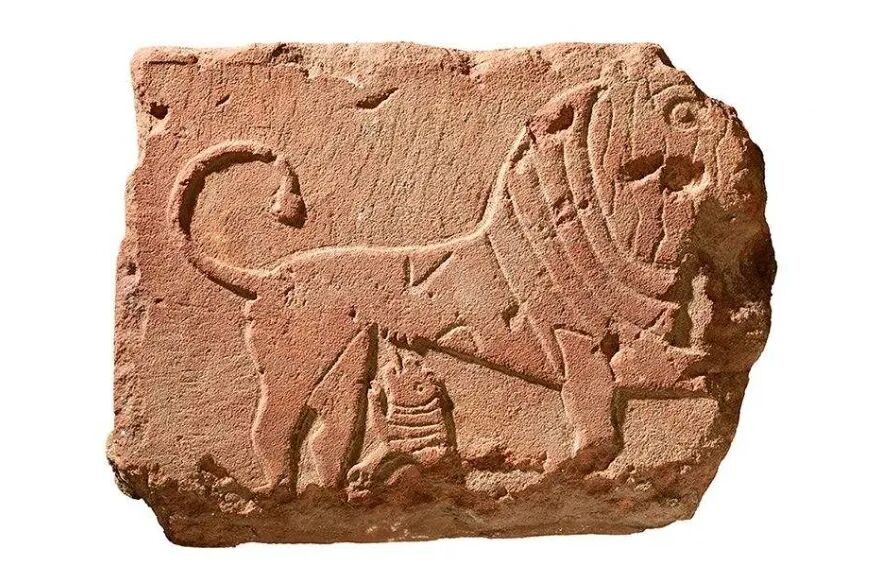
Stone Relief of a Lioness Suckling Her CubExcavated at AlUla, 6th–4th century BCE
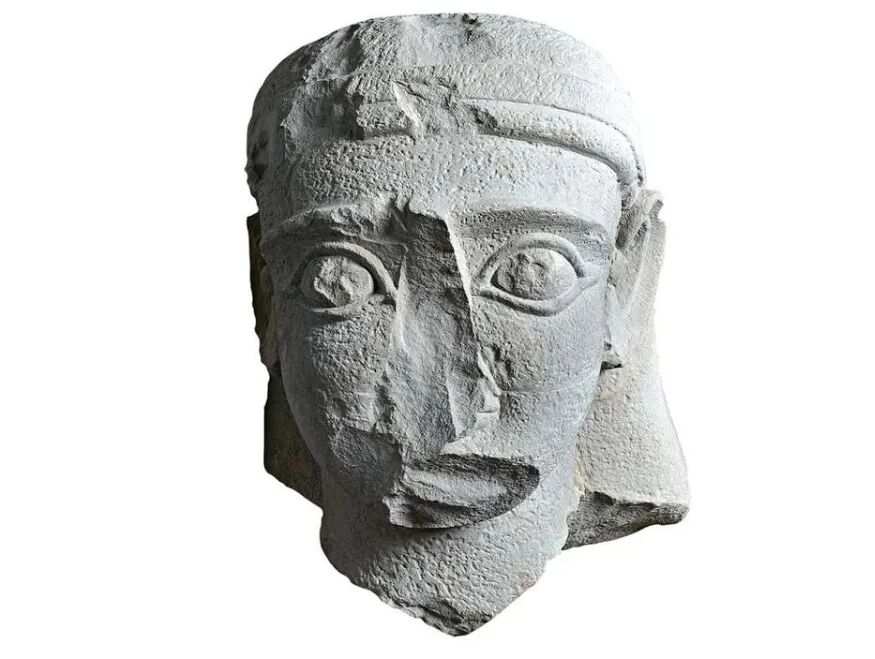
Stone Sculpture of a Head , Excavated at Tayma, 4th–2nd century BCETayma Museum
By the late 2000 BC to the 1st century BC, the Tayma Oasis became a key node on the Incense Route , It connected southern Arabia with the eastern Mediterranean, Syria, Mesopotamia, and Egypt.
This oasis, which has been inhabited by humans since the late 4000 BC, has unearthed Syrian-Levantine style bronze weapons, telling the story of frequent cross-regional exchanges here; the nearby Dedan Kingdom, relying on camel caravan trade, prospered rapidly and became a veritable “Camel Caravan Kingdom”. Later, it was ruled by the Lihyanite tribe, and a large number of ancient Arabic inscriptions preserved to this day have become the key to interpreting this period of history.
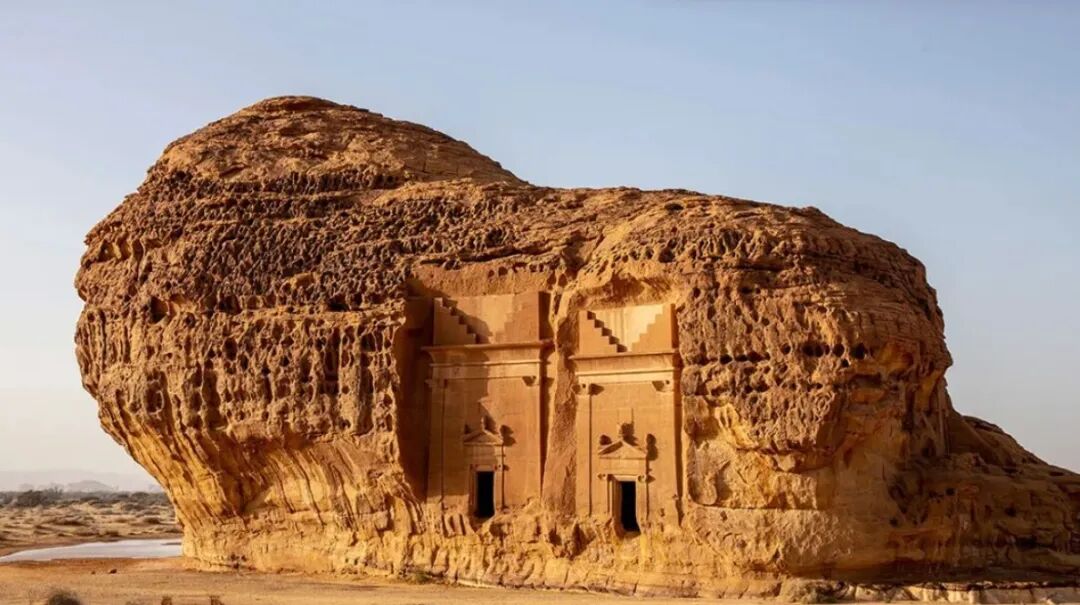
Solitary Giant Red Sandstone Tomb of Hegra (Mada’in Salih): 116 tombs densely carved into cliffs, Al-Ula.
The most stunning is the Nabatean Kingdom relics from the 3rd century BC to 106 AD — Hegra (Madain Saleh). As the southernmost city of the Nabatean Kingdom, it was an important station on the Incense Route. 116 red rock tombs were carefully chiseled on the cliffs, with clear relief patterns and well-preserved inscriptions. Each tomb is a symbol of the wealth and power of the Nabatean nobles. In 2008, Hegra became Saudi Arabia’s first World Heritage Site. Standing on this red rock, it seems that you can still hear the camel bells of the ancient caravans and see the prosperity of them shuttling between the tombs with spices.
03
The Light of the Holy Cities: Reshaping the Light of Civilization
In the 7th century AD, Saudi Arabia ushered in the most pivotal moment in its history — Islam was born here, which not only completely changed the fate of this land, but also reshaped the pattern of world civilization. Mecca, Medina and Jeddah also became the spiritual cores of the Islamic world.
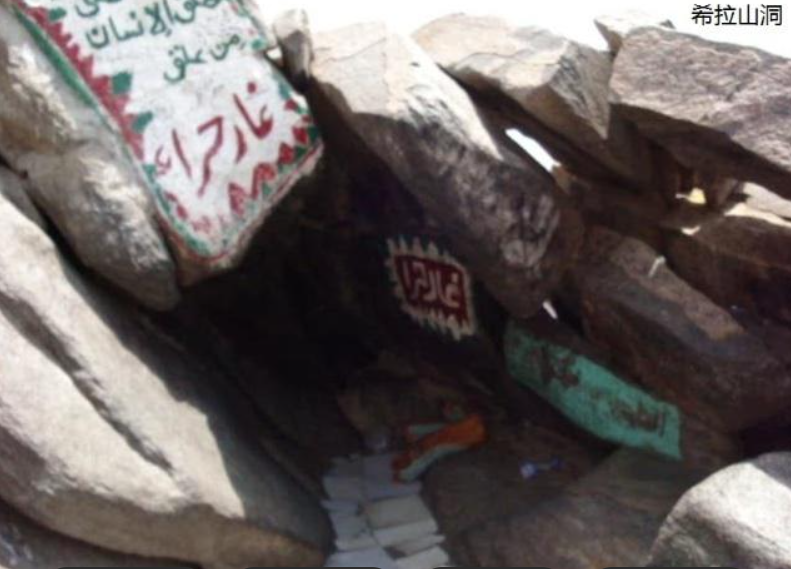
Cave of Hira
Located on the mountainside of Jabal al-Nur, approximately 4 km from the city of Mecca in the Kingdom of Saudi Arabia.It is traditionally believed that in September 610 CE, the Prophet Muhammad, at the age of 40, was in retreat in this cave when the Angel Jibril (Gabriel) conveyed to him the revelation (al-Wahy) from Allah. These revelations were later compiled into the Qur’an.
In 610 AD, the Prophet Muhammad began to spread Islam by the order of Allah in Mecca, which has since become the birthplace of Islam. At first, the road of dissemination was full of hardships, but Muhammad’s perseverance and piety made more and more people believe in Islam, and Mecca gradually became a holy place in the hearts of Muslims.
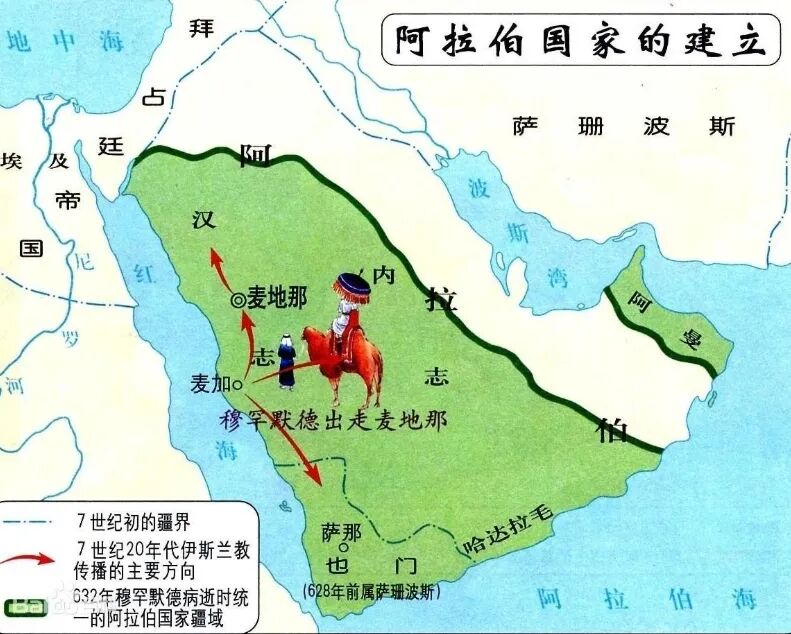
Simulation Diagram of the Hijra
In 622 AD, to escape persecution, the Prophet Muhammad and his followers migrated from Mecca to Medina. This event is known as the “Hijra Migration” and is an important turning point in the history of Islam. In Medina, Muhammad established the first Islamic political power and formulated Islamic laws. Medina also became the cradle of the growth of Islam, where the Prophet’s Mosque was born, witnessing the gradual development and growth of Islam.
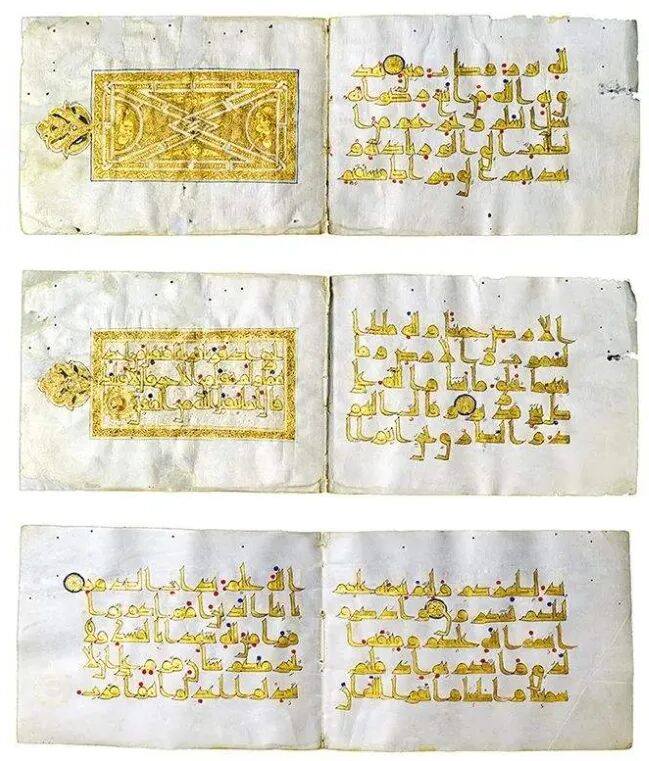
Folio from a Qur’an, Abbasid period, 9th century CE,written on parchment, possibly produced in North Africa or the Middle East. Saudi National Museum.
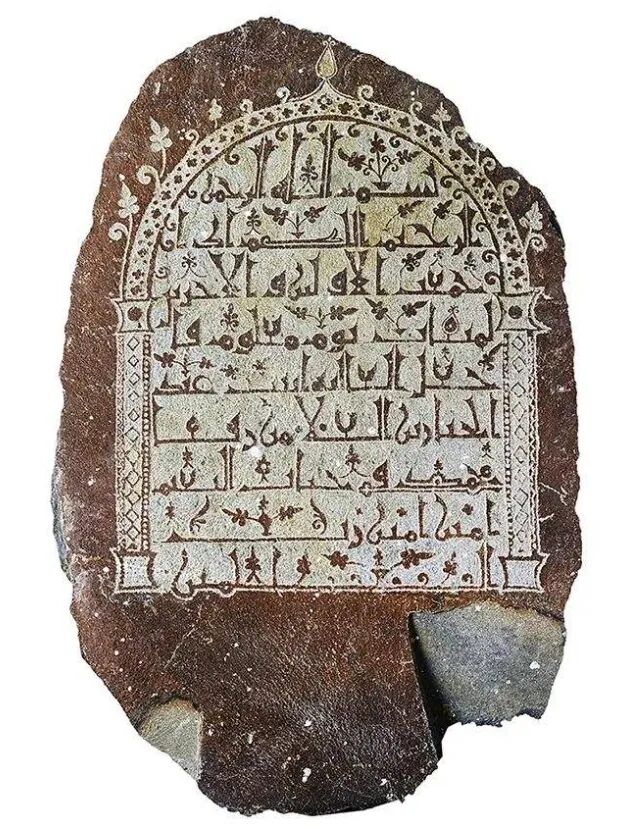
Tombstone of al-HāriyahSaudi National Museum
The Tombstone of al-Hāriyah is an early Islamic tombstone dating from the 9th century CE, excavated in Mecca. It bears the name of the deceased (al-Hāriyah) along with relevant inscriptions.
Before the advent of modern transportation, Muslims making the pilgrimage to the holy cities of Mecca and Medina mainly relied on four traditional routes. The first was the Yemeni route, which led northward from the southwestern part of the Arabian Peninsula and served as the essential path for pilgrims from Yemen and the Horn of Africa. The second followed ancient trade routes southward from Damascus, passing through AlUla. The third was taken by pilgrims from Egypt, North Africa, and Spain, who mostly traveled overland across the Sinai Peninsula—a route fraught with peril in the early Islamic period. These routes ultimately converged at the holy sites, bearing witness to a thousand years of faith and pilgrimage.
In 630 AD, Muhammad led his troops to conquer Mecca and purified the Kaaba, designating it as the core holy site for Muslim pilgrimage. This cubic building is covered with a black curtain embroidered with golden Quran verses, and the Black Stone inside the temple is a holy object that every Muslim must kiss during pilgrimage. Since then, the Masjid al-Haram in Mecca has become one of the most sacred places in the Islamic world, and millions of Muslims from all over the world come here every year to complete the sacred mission of pilgrimage.
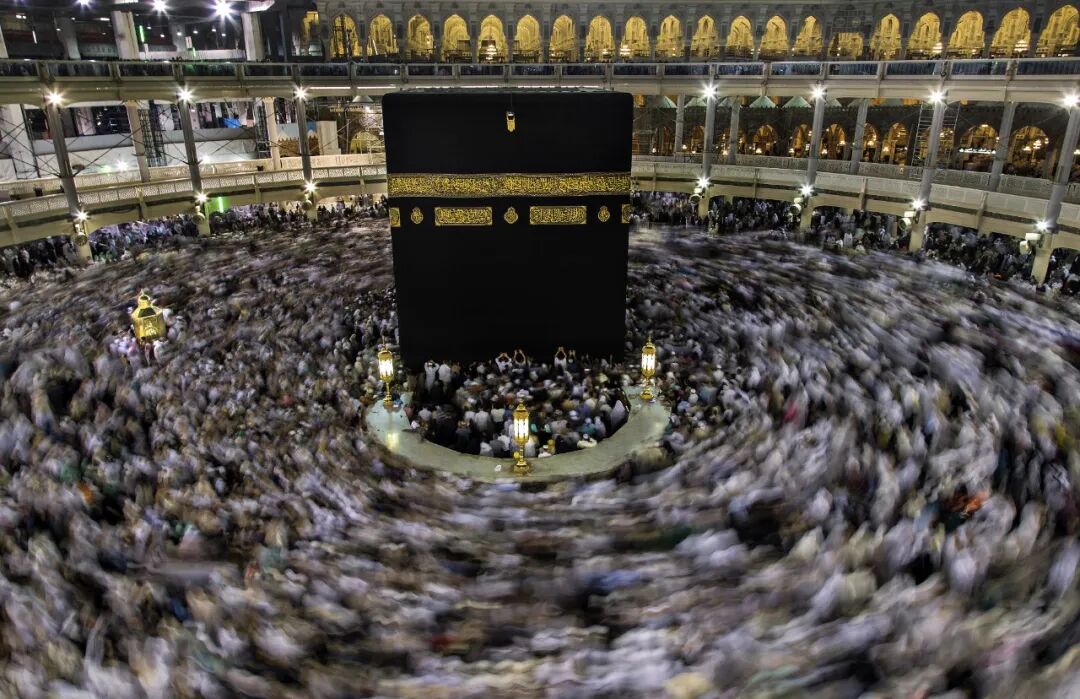
Kaaba(the House of God)
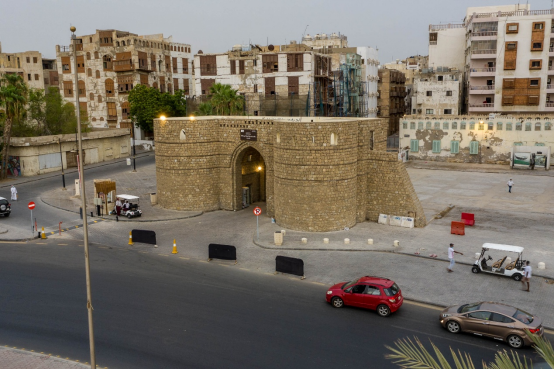
Old City Gate of Jeddah
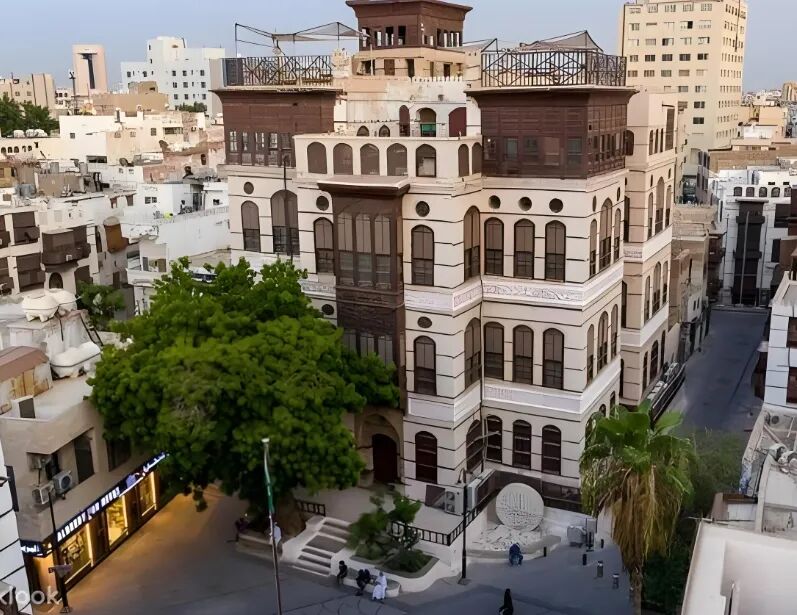
From the 7th century to the 15th century, Jeddah’s old town also gradually rose. Caliph Uthman ibn Affan designated Jeddah as a pilgrimage gateway. Pilgrims and merchants from all over the world gathered here, making this port city on the coast of the Red Sea a meeting place of trade and faith. The coral stone buildings and unique wind catchers in the old town tell the prosperity of the past in every detail. To this day, it still retains the style of that year, becoming a living fossil for interpreting the integration of Islamic civilization and trade.
04
Dynastic Changes and the Road to Unification (18th Century – 1931)
As time turned to the 18th century, Saudi Arabia’s history entered a turbulent period of dynastic changes. The Al Saud family experienced two ups and downs, and gradually moved towards unification in the flames of war and disputes. Relics such as Diriyah and Al-Masmak Palace became witnesses of this magnificent history.
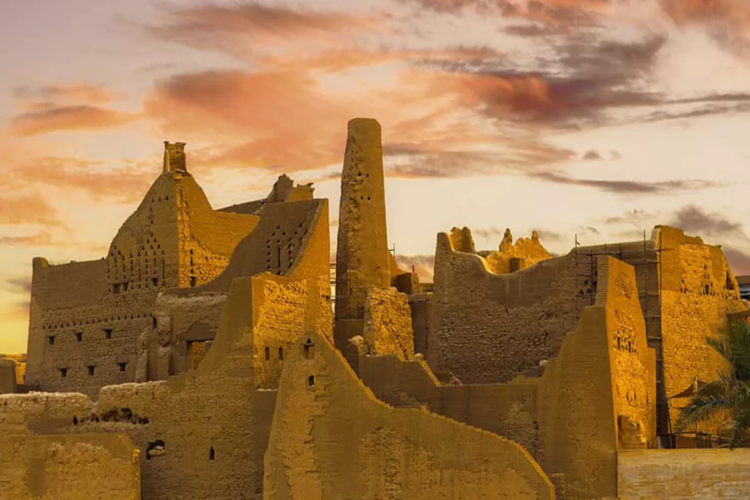
Diriyah
In 1727, Imam Muhammad bin Saud established the First Saudi State in Diriyah and made it the capital. As the birthplace of the Saudi dynasty, Diriyah retains a large-scale complex of adobe buildings, each adobe house exuding a simple atmosphere, witnessing the rise of the Al Saud family. At that time, Diriyah was an important political center of the Arabian Peninsula, as well as a gathering place of religion and culture.
However, the good times did not last long. In 1818, due to conflicts with the Ottoman Empire, the First Saudi State was overthrown, and Diriyah was severely damaged. The former prosperity faded, leaving only ruins, but these remaining relics still tell the glory and vicissitudes of that year.
In 1824, the descendants of the Al Saud family were unwilling to sink and re-established the Saudi Kingdom, known as the Second Saudi State in history, with Riyadh as the capital. But fate was ill-fated. Due to constant internal strife and external interference, the Second Saudi State fell again in 1891, and the Saudi region fell into division and chaos.
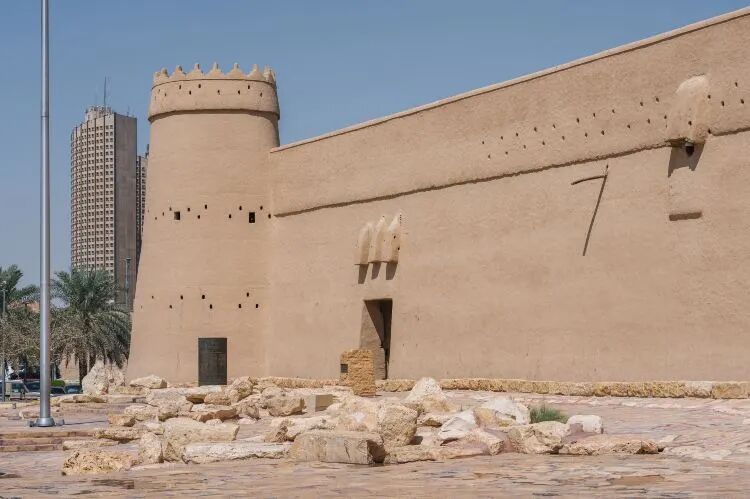
Al Masmak Fortress
It was not until 1902 that Abdulaziz (Ibn Saud) stepped forward, led his troops to capture Riyadh, and recaptured the capital from the Rashid family. Taking Al-Masmak Palace as a stronghold, he began the arduous road of unifying Saudi Arabia. Al-Masmak Palace thus became a symbol of Saudi unification. The bullet holes on the palace walls and the mottled walls all record the years of war.
05
Modern Rebirth: Where History and Prosperity Coexist
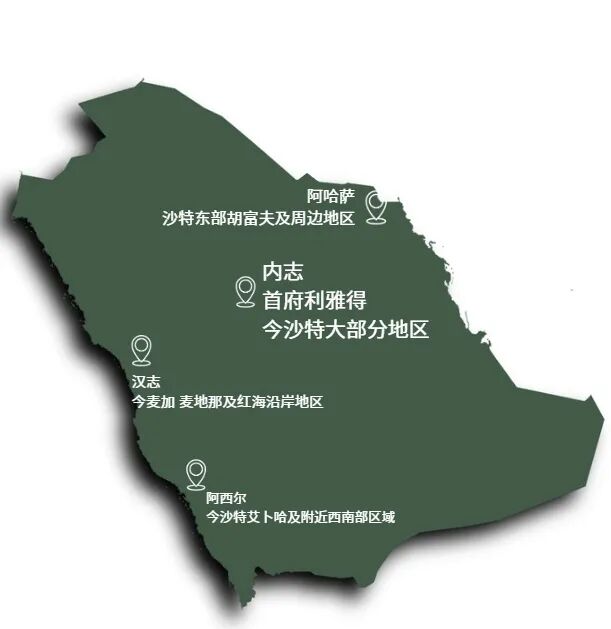
General Area Sketch Map
On September 23, 1932, Abdulaziz announced the unification of the four regions of Hejaz, Najd, Al-Ahsa and Asir, named the country the “Kingdom of Saudi Arabia”, and made Riyadh the capital. Modern Saudi Arabia was officially born, and a new chapter in history began.
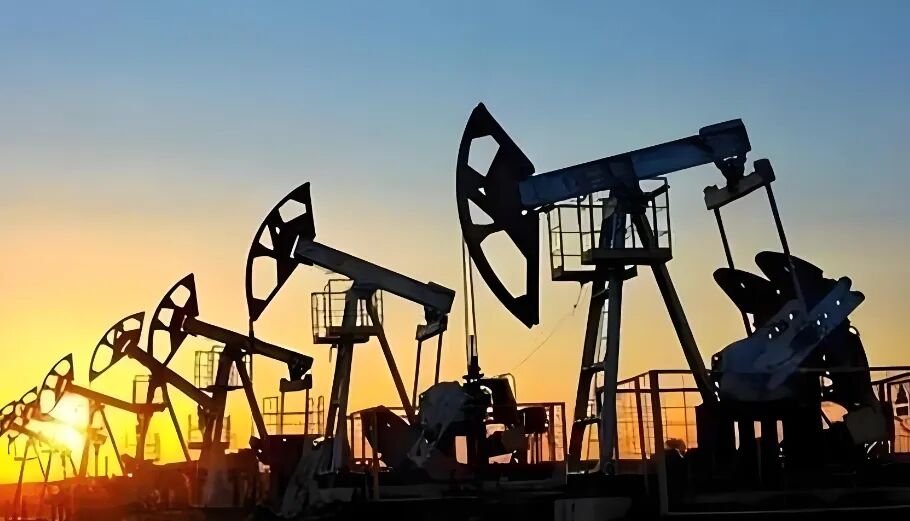
In 1938, oil was discovered in the Dammam region of eastern Saudi Arabia. This was the country’s first commercial-grade oil well, historically known as Prosperity Well (Al-Khair Well), which fundamentally transformed the energy landscape of Saudi Arabia and the world. This discovery revolutionized the nation’s economic landscape and laid a solid foundation for Saudi Arabia’s modernization. Once a desert kingdom, Saudi Arabia rapidly rose as a key power in the Middle East by leveraging its oil resources, initiating a process of industrialization and modernization.
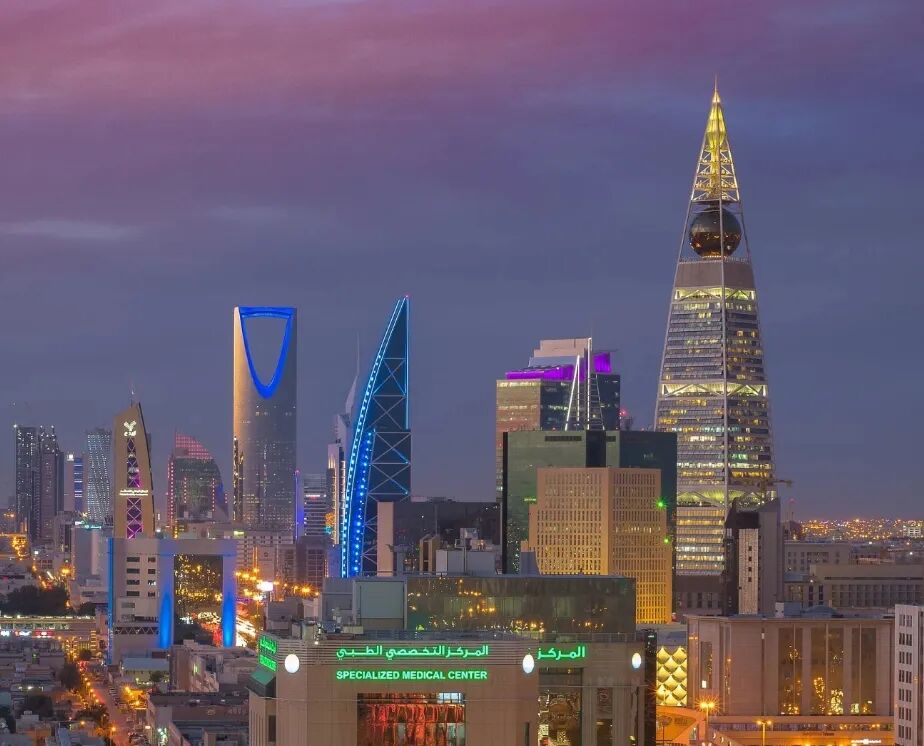
Riyadh
Today, nearly a hundred years later, modern Saudi Arabia is no longer just a desert and oil kingdom in people’s impression, but has achieved a perfect coexistence of historical relics and modern prosperity. The capital Riyadh, on the one hand, has thousand-year-old relics such as Turaif and Al-Masmak Palace, carrying Saudi Arabia’s past; on the other hand, it has modern skyscrapers such as the Kingdom Centre, showing the country’s development and progress.
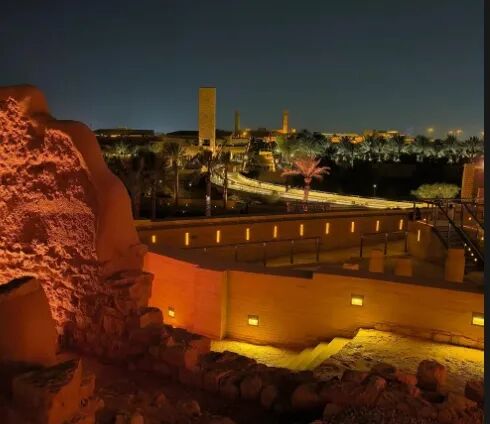
Diriyah Old Town at Night
Jeddah Old Town (Al-Balad)
The restored Diriyah, through light shows and heritage trails, has revived the thousand-year-old adobe buildings. At night, the ancient city is illuminated by lights, as if traveling through time to talk with the past; relics such as Hegra and Jeddah’s old town are properly protected, becoming a link connecting Saudi Arabia’s past and future, allowing everyone who comes here to understand the thousand-year vicissitudes and modern vitality of this land.
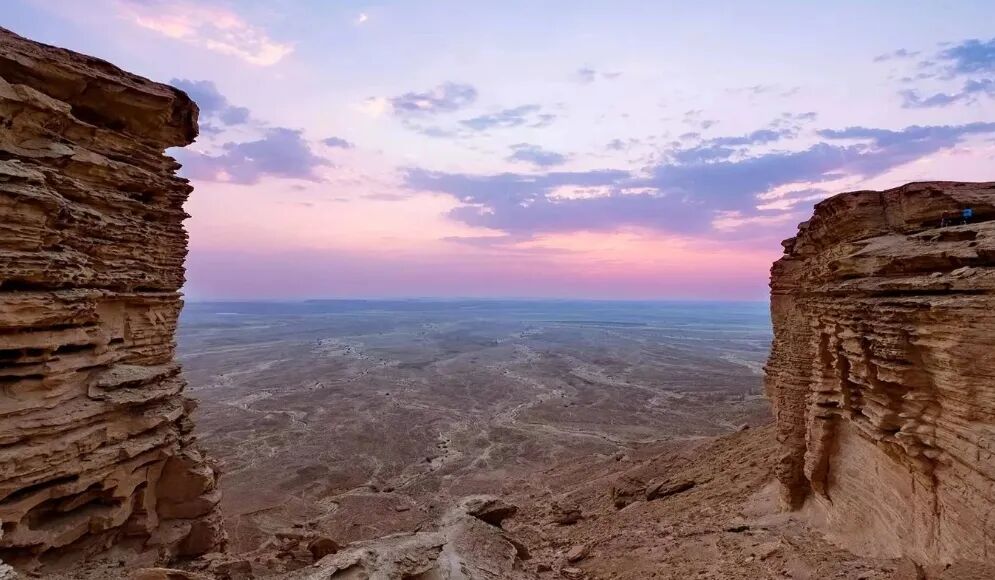
The Cliff of the World
As the thousand-year sand blows over the red rock tombs, and the prayers of the holy cities echo across the sky, every step in Saudi Arabia holds the resonance of civilization. Follow us to embark on this desert secret, measure history with your feet, witness legends with your eyes, and unlock your own Saudi story between relics and prosperity.
(Images sourced from the internet; please contact us for removal.)