


沙特古尔邦节|信仰传承,岁岁安康 读懂中东最盛大的宗教盛典
提到沙特阿拉伯,除了沙漠、石油与圣城麦加,最能代表其宗教与文化内核的,便是古尔邦节( Eid al-Adha )。作为伊斯兰教三大节日之一,也是沙特全年最隆重的庆典,它不仅承载着千年信仰传承,更藏着沙特人最朴素的待客之道与生活哲学。
When it comes to Saudi Arabia, apart from deserts, oil and the holy city of Mecca, the most representative of its religious and cultural core is Eid al-Adha. As one of the three major Islamic festivals and the grandest celebration in Saudi Arabia throughout the year, it not only carries a thousand-year heritage of faith, but also embodies the simplest hospitality and life philosophy of the Saudi people.
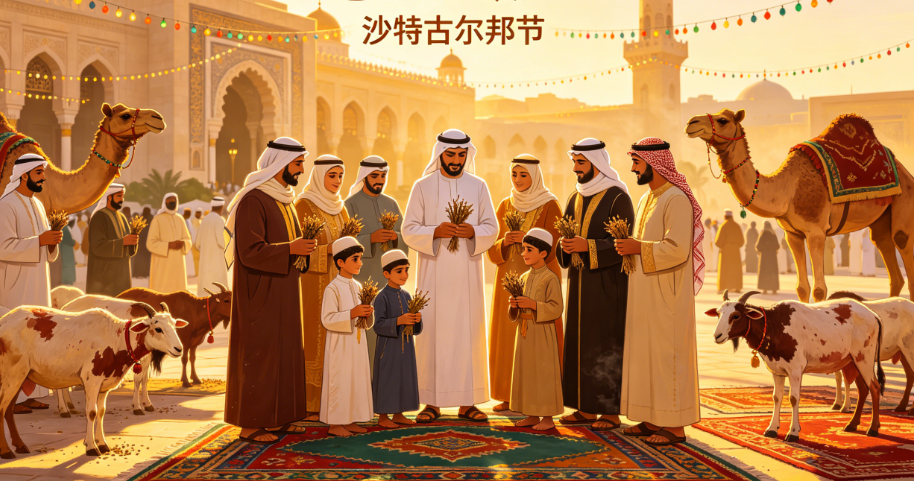
无论是计划前往沙特旅行、与沙特友人相处,还是单纯想了解这场跨越全球近20亿穆斯林的盛会,这篇推文都能帮你快速get核心知识点,避开文化禁忌,读懂古尔邦节的真正意义。
Whether you plan to travel to Saudi Arabia, interact with Saudi friends, or simply want to learn about this grand event that spans nearly 2 billion Muslims around the world, this tweet will help you quickly grasp the core knowledge, avoid cultural taboos, and understand the true meaning of Eid al-Adha.
溯源古尔邦:一场关于信仰、献祭与仁爱的千年约定A Trace of Eid al-Adha:A Millennium Covenant of Faith, Sacrifice and Benevolence
古尔邦节又称“宰牲节”,阿拉伯语意为“献祭与宰牲”,定在伊斯兰历12月10日,恰逢沙特朝觐的最后一天,是沙特四大官方年度庆典之一(其余三个为开斋节、国庆日、建国日)。
Eid al-Adha, also known as the “Feast of Sacrifice”, means “sacrifice and dedication” in Arabic. It is celebrated on the 10th day of the 12th lunar month of the Islamic calendar, coinciding with the last day of the Hajj in Saudi Arabia. It is one of the four major official annual celebrations in Saudi Arabia (the other three are Eid al-Fitr, National Day, and Founding Day).
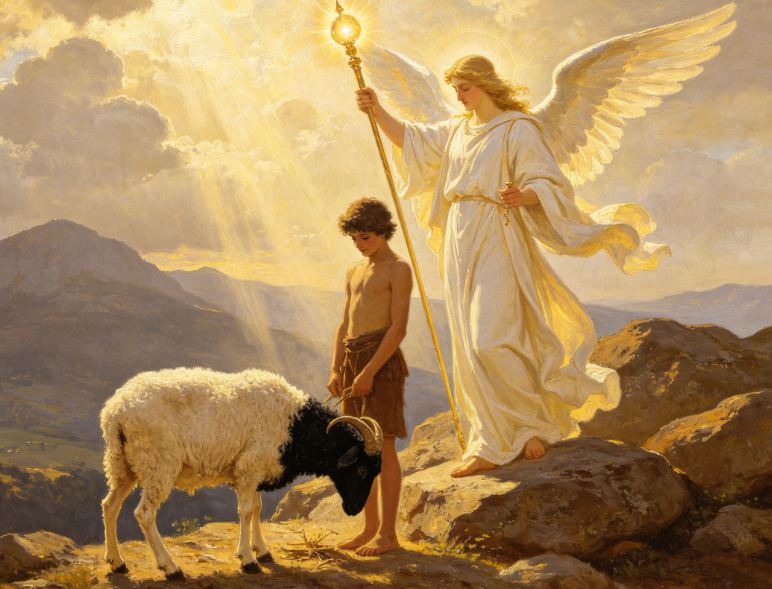
节日的起源,源自一个震撼灵魂的信仰故事:四千年前,先知易卜拉欣(亚伯拉罕)连续多夜梦见真主命令他献祭爱子伊斯玛仪(以实玛利),以此考验他的忠诚。尽管心如刀割,易卜拉欣仍毅然遵从主命,带儿子前往麦加山谷。当刀刃即将落下的瞬间,真主见证了他的虔诚,派遣天使以一只黑头公羊替代了少年,以此确立了“顺从、信任与牺牲”的精神内核,并将这一天定为古尔邦节,流传至今。
The origin of the festival comes from a soul-stirring faith story: four thousand years ago, the Prophet Ibrahim (Abraham) dreamed for several consecutive nights that Allah ordered him to sacrifice his beloved son Ismail to test his loyalty. Although heartbroken, Ibrahim resolutely obeyed Allah’s command and took his son to the valley of Mecca. Just as the blade was about to fall, Allah witnessed his piety and sent an angel to replace the boy with a black-headed ram, thus establishing the spiritual core of “obedience, trust and sacrifice”, and designated this day as Eid al-Adha, which has been passed down to this day.
对沙特人而言,古尔邦节绝非简单的节日狂欢,更是一场践行信仰、传递善意的修行,核心便是“献祭与分享”——提醒人们克制贪欲、敬畏信仰,同时不忘帮扶弱小,让每个人都能共享节日的喜悦。
For the Saudi people, Eid al-Adha is by no means a simple festival carnival, but a practice of faith and kindness. Its core is “sacrifice and sharing” — reminding people to restrain greed, respect faith, and never forget to help the weak, so that everyone can share the joy of the festival.
沙特古尔邦节的核心传统仪式Core Traditional Rituals of Saudi Arabia’s Eid al-Adha
沙特作为伊斯兰教的发源地,麦加和麦地那两大圣城更是全球穆斯林的精神中心,这里的古尔邦节庆典,始终保留着最原汁原味的传统,每一项仪式都藏着深厚的文化内涵,主要分为以下几个环节:
As the birthplace of Islam, Saudi Arabia, with the two holy cities of Mecca and Medina as the spiritual center of Muslims around the world, the Eid al-Adha celebrations here have always retained the most authentic traditions. Each ceremony contains profound cultural connotations, which are mainly divided into the following links:
1. 朝觐与射石:信仰的终极践行
古尔邦节的核心仪式与朝觐紧密相连,每年这个时候,数百万来自全球的穆斯林会聚集在麦加,完成朝觐的最后一项重要功课——射石。朝觐者会前往米纳,面对石柱,以麦加在左、米纳在右的方向,将七颗不超过豆子大小的石子逐一射出,每次投掷时诵念“安拉至大”,以此象征抵御邪恶、坚守信仰,体弱多病者可由他人代为射石。
The core ceremony of Eid al-Adha is closely linked to the Hajj. Every year at this time, millions of Muslims from all over the world gather in Mecca to complete the last important task of the Hajj — stoning the devil. Pilgrims will go to Mina, face the stone pillars, and throw seven stones no larger than beans one by one with Mecca on the left and Mina on the right. Each time they throw, they recite “Allahu Akbar” (God is Great), symbolizing resistance to evil and adherence to faith. The weak and sick can ask others to throw stones on their behalf.
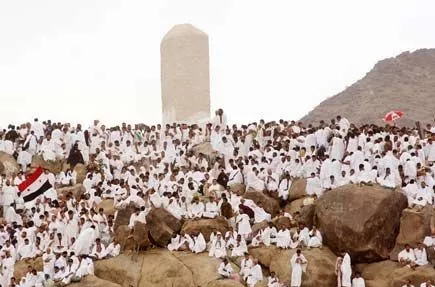
射石仪式结束后,朝觐者便会前往米纳的宰牲场,开启宰牲仪式,完成朝觐的终极使命。对许多穆斯林而言,能在麦加参与古尔邦节朝觐,是毕生的夙愿。
After the stoning ceremony, the pilgrims will go to the slaughterhouse in Mina to start the sacrifice ceremony and complete the ultimate mission of the Hajj. For many Muslims, participating in the Eid al-Adha Hajj in Mecca is a lifelong wish.
2. 宰牲献祭:分享的神圣仪式
宰牲是古尔邦节最具代表性的仪式,也是“献祭精神”的直接体现。在沙特,无论是朝觐者还是普通家庭,都会在这一天挑选健康健壮的牲畜(以羊、牛、骆驼为主,绵羊需满半年、山羊满1年、牛满两年、骆驼满五年),面朝麦加方向诵念真主之名后屠宰,以此纪念先知易卜拉欣的虔诚。
Animal sacrifice is the most representative ceremony of Eid al-Adha and a direct embodiment of the “spirit of sacrifice”. In Saudi Arabia, both pilgrims and ordinary families will choose healthy and robust livestock (mainly sheep, cattle and camels; sheep must be at least six months old, goats one year old, cattle two years old, and camels five years old) on this day, recite the name of Allah facing Mecca, and then slaughter them to commemorate the piety of the Prophet Ibrahim.
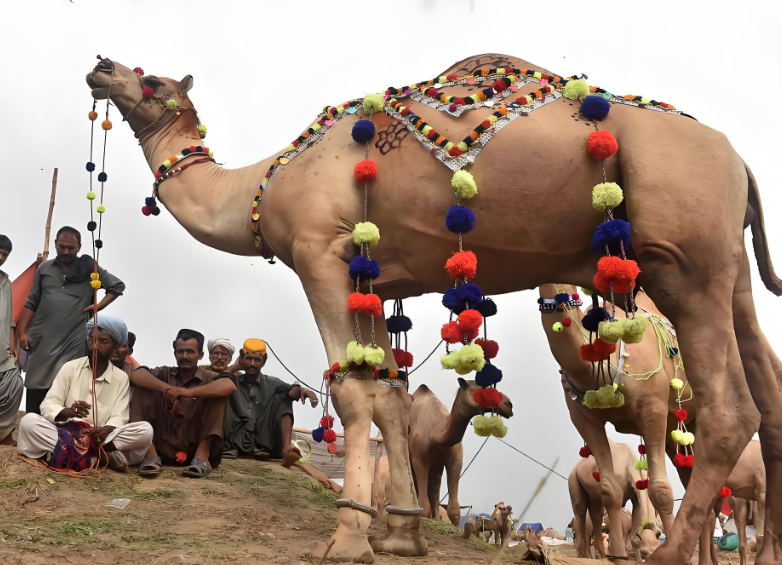
宰牲的肉品有着严格的分配规则,必须分成三份,缺一不可:1/3留给自家食用,与家人共享节日的恩典;1/3馈赠亲友,加固邻里与亲情联结;1/3救济贫困者,践行“让饥饿者与富足者同庆”的教义,这也是古尔邦节“分享”精神的核心体现——对沙特人而言,节日的快乐,从来都不是独自享有,而是与所有人共享。
The meat from the sacrifice has strict distribution rules and must be divided into three equal parts, none of which can be missing: 1/3 is kept for one’s own family to eat and share the blessings of the festival with family members; 1/3 is given to relatives and friends to strengthen the bond between neighbors and family; 1/3 is donated to the poor to practice the doctrine of “letting the hungry celebrate with the rich”. This is also the core embodiment of the “sharing” spirit of Eid al-Adha — for the Saudi people, the joy of the festival is never enjoyed alone, but shared with everyone.
如今,沙特也有了更现代化的做法,政府设立标准化屠宰中心,人们可线上预约、专业处理,兼顾卫生与信仰,同时也有不少人选择将肉品兑换为现金,捐助战乱地区的难民儿童,让传统精神焕发新的活力。
Today, Saudi Arabia also has more modern practices. The government has set up standardized slaughter centers where people can make online appointments for professional processing, taking into account both hygiene and faith. At the same time, many people choose to exchange meat for cash to donate to refugee children in war-torn areas, giving new vitality to the traditional spirit.
3. 会礼与祈福:庄重的信仰表达
古尔邦节清晨,沙特穆斯林会早早起床,沐浴净身,涂抹香料(精油),换上整洁的传统服饰——男性身着白色长袍(Thobe),搭配头巾(Ghutra)和黑色头箍(Igal);女性则穿戴黑色宽松长袍(Abaya),佩戴头巾(Hijab),以示对信仰的尊重。
On the morning of Eid al-Adha, Saudi Muslims will get up early, take a bath to purify themselves, apply spices (essential oils), and put on neat traditional clothes — men wear white robes (Thobe) with headscarves (Ghutra) and black headbands (Igal); women wear loose black robes (Abaya) and headscarves (Hijab) to show respect for faith.
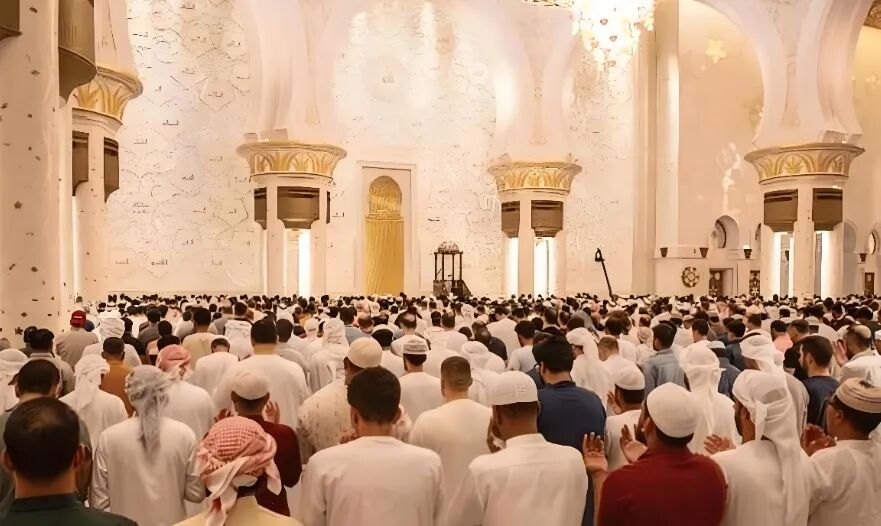
随后,人们会前往清真寺参加集体会礼(Eid Prayer),由阿訇宣讲教义(卧尔兹),众人共同诵念经文、祈祷祈福,祈求真主的宽恕与恩典,场面十分庄重。会礼结束后,人们会相互拥抱、问候,传递节日的祝福,整个氛围既神圣又温暖。
Then, people will go to the mosque to attend the collective Eid Prayer. The imam preaches the doctrine (Waelz), and everyone recites scriptures and prays together, asking for Allah’s forgiveness and blessings. The scene is very solemn. After the prayer, people hug and greet each other to pass on festival blessings, and the whole atmosphere is both sacred and warm.
4. 家宴与团聚:烟火气里的温情
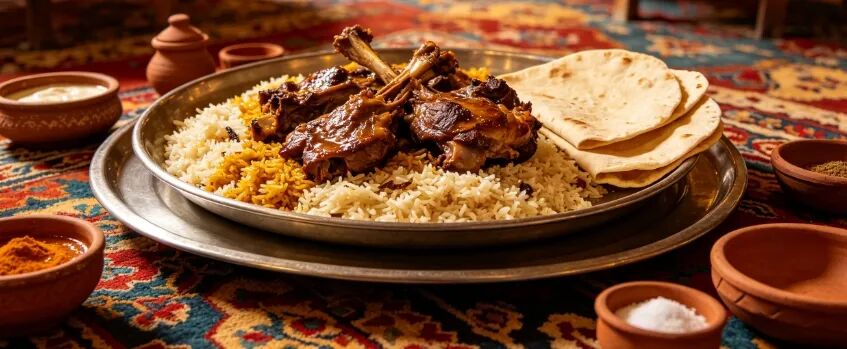
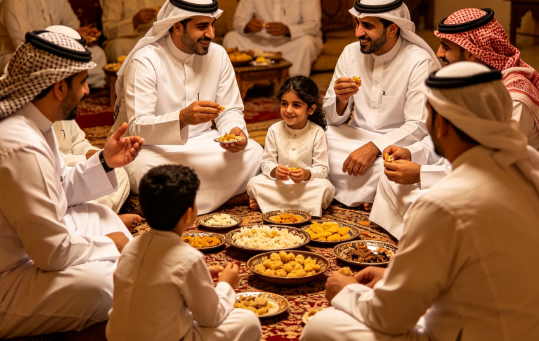
古尔邦节也是沙特人的“团圆节”,会礼和宰牲仪式结束后,家家户户都会摆起丰盛的家宴,邀请亲友相聚。节日前一周,沙特家庭就会开始忙碌筹备:男人们早早前往集市挑选肥美的羔羊(节日餐桌的绝对主角);女人们则制作各类传统美食,如馓子、包尔萨克、抓饭(Polo)、卡布萨(Kabsa,香料米饭配羊肉)、曼迪(Mandi,慢烤羊肉饭),还有阿拉伯咖啡(Gahwa)和椰枣,这些都是节日家宴不可或缺的美味。
Eid al-Adha is also a “reunion festival” for the Saudi people. After the prayer and sacrifice ceremonies, every household will hold a grand family feast and invite relatives and friends to gather. A week before the festival, Saudi families will start busy preparations: men go to the market early to choose fat lambs (the absolute protagonist of the festival table); women make various traditional delicacies, such as samosas, baursak, pilaf (Polo), kabsa (spiced rice with mutton), mandi (slow-roasted mutton rice), as well as Arabic coffee (Gahwa) and dates, all of which are indispensable delicacies for the festival family feast.
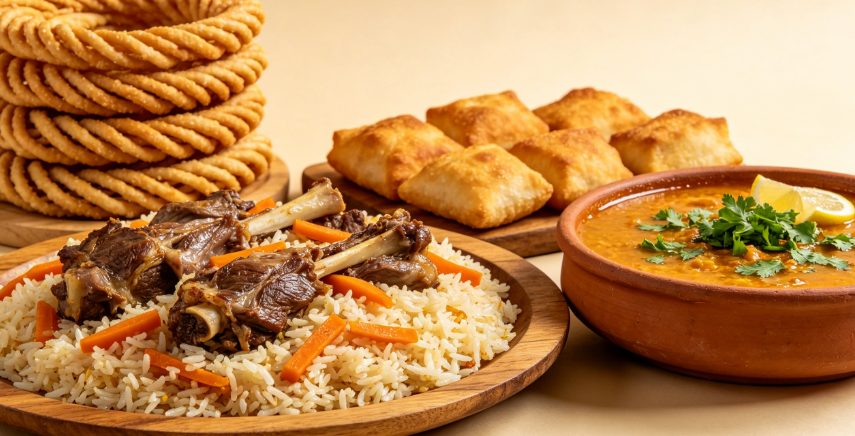
家宴上,人们席地而坐,用右手取食(左手被视为不洁),一边享用美食,一边畅谈过往、祝福彼此,孩子们则穿着新衣,在一旁嬉戏打闹,空气中满是团圆与欢乐的气息。此外,沙特人还会在节日期间走亲访友,互赠礼物,传递节日的温情与美好。
At the family feast, people sit on the ground and eat with their right hands (the left hand is considered unclean). While enjoying the food, they talk about the past and bless each other. Children wear new clothes and play around, and the air is filled with the atmosphere of reunion and joy. In addition, Saudi people will visit relatives and friends during the festival and exchange gifts to pass on the warmth and beauty of the festival.
沙特古尔邦节注意事项Precautions for Eid al-Adha in Saudi Arabia
沙特是政教合一的国家,宗教信仰和文化传统对日常生活影响深远,尤其在古尔邦节这样的神圣节日,无论是游客还是外来者,都必须严格遵守当地习俗和禁忌,避免冒犯他人;
Saudi Arabia is a theocratic country where religious beliefs and cultural traditions have a profound impact on daily life. Especially on a sacred festival like Eid al-Adha, both tourists and outsiders must strictly abide by local customs and taboos to avoid offending others.
1.宗教与礼仪禁忌
不打扰宗教仪式:节日期间,穆斯林的会礼、祈祷、宰牲等仪式都十分庄重,切勿围观、喧哗,更不要随意拍照、录像,尤其是在清真寺内,需保持安静,尊重他人的信仰实践。进入清真寺前,需脱鞋、衣着整洁庄重,女性需遮盖肩膀和膝盖,男性避免穿短裤,不随意触碰寺内物品。
Do not disturb religious ceremonies: During the festival, Muslim ceremonies such as prayer, worship and sacrifice are very solemn. Do not watch, make noise, or take photos or videos at will, especially in the mosque. You need to keep quiet and respect others’ religious practices. Before entering the mosque, you need to take off your shoes, dress neatly and decently. Women need to cover their shoulders and knees, men should avoid wearing shorts, and do not touch items in the mosque at will.
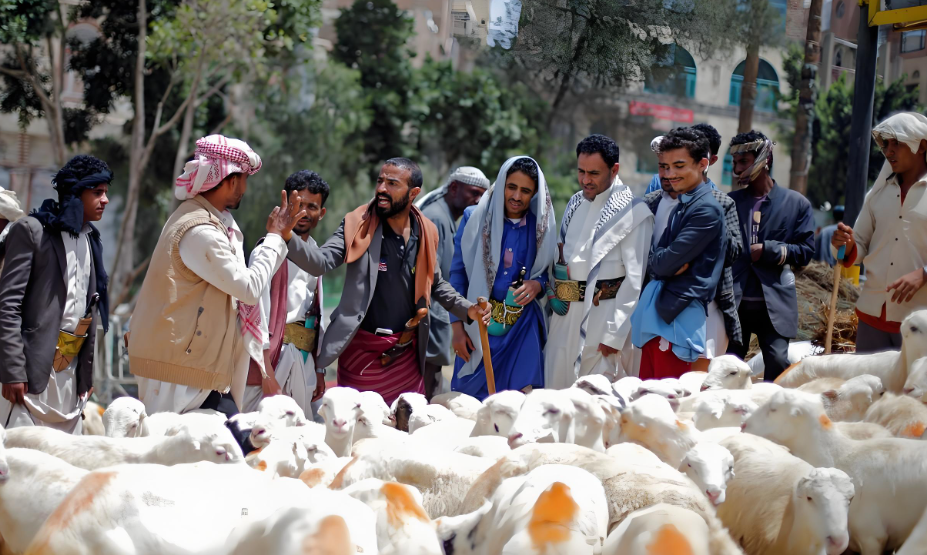
尊重宰牲仪式:不要对宰牲仪式发表负面评论,也不要随意靠近屠宰现场,避免打扰。沙特的宰牲仪式有着严格的教法规定,使用锋利刀具减少动物痛苦,禁止在其他动物面前屠宰,体现对生命的尊重,切勿随意干涉或质疑。
Respect the sacrifice ceremony: Do not make negative comments on the sacrifice ceremony, nor approach the slaughter site at will to avoid disturbance. Saudi Arabia’s sacrifice ceremony has strict religious laws and regulations. Sharp knives are used to reduce the pain of animals, and slaughter in front of other animals is prohibited, reflecting respect for life. Do not arbitrarily interfere or question.
问候礼仪:与沙特人见面时,可使用阿拉伯语问候“السلام عليكم”(意为“愿平安与你同在”),对方会回应“وعليكم السلام”(意为“愿平安也与你同在”);也可使用英文祝福“Eid Mubarak!(节日吉庆)”,这是最安全、最得体的节日问候方式,避免使用不恰当的祝福语。
Greeting etiquette: When meeting Saudi people, you can use the Arabic greeting “Assalamu Alaikum” (meaning “Peace be upon you”), and the other party will respond “Wa Alaikum Assalam” (meaning “And upon you be peace”); you can also use the English blessing “Eid Mubarak! (Blessed Festival)”, which is the safest and most appropriate way to greet during the festival. Avoid using inappropriate blessings.
2. 着装与行为禁忌
着装要保守:无论男女,在公共场合都需衣着得体,避免过于暴露、紧身或鲜艳的衣物。女性无需强制穿着黑袍(Abaya),但必须遮盖肩膀、手臂和膝盖,不穿短裙、短裤、吊带;男性避免穿短裤、背心,保持整洁庄重,这是对当地文化最基本的尊重。
Dress conservatively: Both men and women need to dress appropriately in public, avoiding overly revealing, tight or bright clothes. Women are not required to wear black robes (Abaya), but they must cover their shoulders, arms and knees, and not wear short skirts, shorts or camisoles; men should avoid wearing shorts and vests, and keep neat and decent, which is the most basic respect for local culture.

避免亲密行为:公共场合男女需保持距离,非亲属异性避免单独相处、拥抱、握手等肢体接触,沙特有着严格的性别隔离习俗,商场、餐厅等场所常设有女性专用区域(Family Section),需自觉遵守。
Avoid intimate behavior: Men and women need to keep a distance in public. Non-relatives of the opposite sex should avoid being alone, hugging, shaking hands and other physical contacts. Saudi Arabia has strict gender segregation customs. Shopping malls, restaurants and other places often have special areas for women (Family Section), which must be consciously observed.
行为要端庄:避免在公共场合大声喧哗、嬉笑打闹,不随地吐痰、乱扔垃圾,不饮酒、不吸烟(公共场合吸烟被严格禁止),也不要携带酒精、猪肉制品等禁忌物品入境或出现在公共场合,这些行为在沙特均被严格禁止,且可能面临处罚。
Behave properly: Avoid making loud noises, laughing and playing in public, spitting or littering, drinking alcohol or smoking (smoking in public is strictly prohibited). Do not bring forbidden items such as alcohol and pork products into the country or appear in public. These behaviors are strictly prohibited in Saudi Arabia and may face penalties.
3. 饮食与馈赠禁忌
饮食禁忌:沙特严格遵循伊斯兰教规,禁食猪肉、酒精,肉类需经清真屠宰(Halal)。节日期间,若被邀请参加家宴,切勿提及猪肉、酒精等禁忌话题,也不要自带非清真食品,用餐时需用右手取食,尊重当地用餐习惯。
Dietary taboos: Saudi Arabia strictly follows Islamic rules, prohibiting pork and alcohol, and meat must be halal slaughtered. During the festival, if you are invited to a family feast, do not mention forbidden topics such as pork and alcohol, and do not bring your own non-halal food. When eating, use your right hand to show respect for local eating habits.
馈赠礼仪:若要给沙特友人赠送节日礼物,可选择清真食品、传统手工艺品、带有伊斯兰图案的饰品等;避免赠送酒类、猪肉制品、带有十字架或其他宗教符号的物品,也不要赠送女性化妆品、衣物(非亲属关系),以免造成冒犯。赠送礼物时,需用右手递出,表达尊重。
Gift-giving etiquette: If you want to give festival gifts to Saudi friends, you can choose halal food, traditional handicrafts, accessories with Islamic patterns, etc.; avoid giving alcohol, pork products, items with crosses or other religious symbols, and do not give cosmetics or clothes to women (non-relatives) to avoid causing offense. When giving gifts, use your right hand to show respect.
4. 出行与商务注意事项
出行安排:古尔邦节期间,沙特全国放假(通常4天左右),商场、餐厅、政府机构等可能会缩短营业时间或暂停营业,交通也可能较为拥堵,前往沙特旅行需提前规划好行程,确认景点、餐厅的开放时间,避免耽误行程。此外,节日前1-2个月是沙特的采购旺季,物流可能延迟,若有相关需求需提前准备。
Travel arrangements: During Eid al-Adha, Saudi Arabia has a national holiday (usually about 4 days). Malls, restaurants, government agencies, etc. may shorten their business hours or close. Traffic may also be congested. Those traveling to Saudi Arabia need to plan their itinerary in advance, confirm the opening hours of scenic spots and restaurants, and avoid delaying the trip. In addition, the 1-2 months before the festival are the peak shopping season in Saudi Arabia, and logistics may be delayed. If you have relevant needs, you need to prepare in advance.

商务沟通:节日期间,沙特人更注重家庭团聚,避免强行推销、催促订单等行为,紧急商务事项需提前沟通。与沙特客户沟通时,避免讨论宗教冲突、政治争议等敏感话题,尊重对方的宗教信仰和文化传统。
Business communication: During the festival, Saudi people pay more attention to family reunion. Avoid forced sales, urging orders and other behaviors. Urgent business matters need to be communicated in advance. When communicating with Saudi customers, avoid discussing sensitive topics such as religious conflicts and political disputes, and respect each other’s religious beliefs and cultural traditions.
结语:在献牲与分享中,读懂沙特的信仰与温情Conclusion: In sacrifice and sharing, we come to understand the faith and warmth of Saudi Arabia.
对沙特人而言,古尔邦节从来都不是一场简单的庆典,而是信仰的践行、亲情的团聚、善意的传递。它藏着先知易卜拉欣的忠诚,藏着“三分肉品”的温情,藏着沙特人对信仰的敬畏、对他人的善意,也藏着这个沙漠国度最柔软的烟火气。
For the Saudi people, Eid al-Adha is never a simple celebration, but a practice of faith, a reunion of family affection, and a transmission of kindness. It embodies the loyalty of the Prophet Ibrahim, the warmth of “three parts of meat”, the Saudi people’s reverence for faith and kindness to others, as well as the softest fireworks of this desert country.
无论是亲临沙特感受这场神圣庆典,还是隔着山海送上祝福,只要尊重当地的传统与禁忌,读懂这份跨越千年的信仰与温情,便能感受到古尔邦节的真正魅力。
Whether you personally go to Saudi Arabia to experience this sacred celebration or send blessings across the mountains and seas, as long as you respect local traditions and taboos and understand this thousand-year-old faith and warmth, you can feel the true charm of Eid al-Adha.
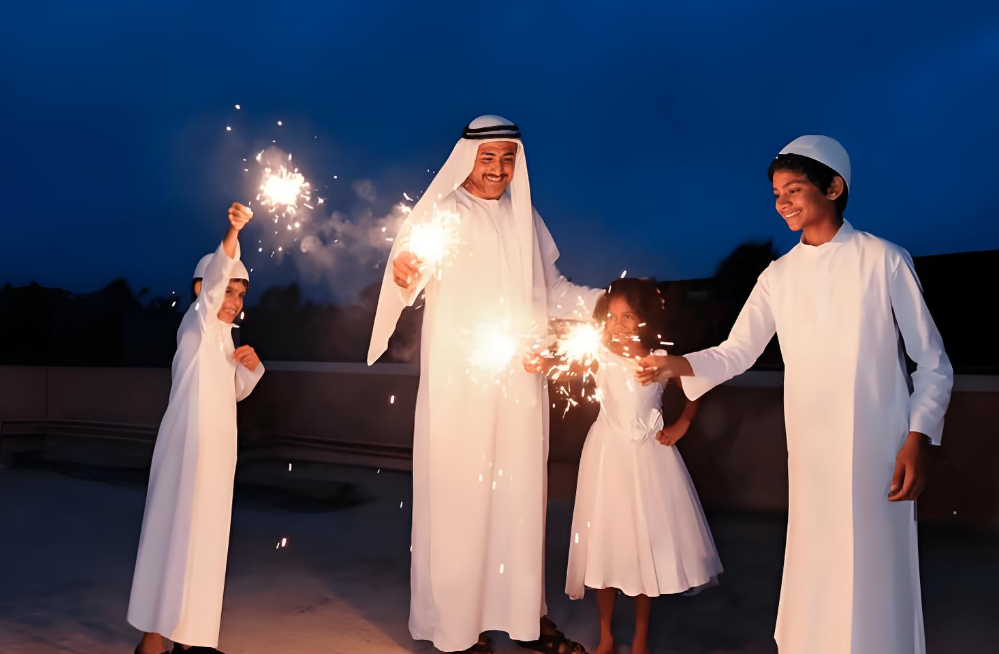
最后,愿每一个坚守信仰的人都能被温柔以待,也愿这份美好,能跨越山海,温暖每一个人 ✨
Finally, may everyone who adheres to their faith be treated gently, and may the beauty cross mountains and seas and warm everyone ✨
Eid Mubarak to all! 古尔邦节吉庆安康!
Eid Mubarak to all! Blessed Eid al-Adha!
(图片来源网络 侵删)