


No Fragrance, No Morning Light: Saudi Perfume, Oud & Incense Culture
The morning sun filters through the latticed windows of old Riyadh, and the air is suffused with a mysterious, lingering fragrance—deep, complex, and intoxicating, as if telling a timeless story of history, culture, and nature. This is the scent of oud, a precious substance deeply rooted in Saudi Arabian culture and often called “liquid gold.” According to Fortune magazine, the price of the finest oud can reach up to $5,000 per pound.
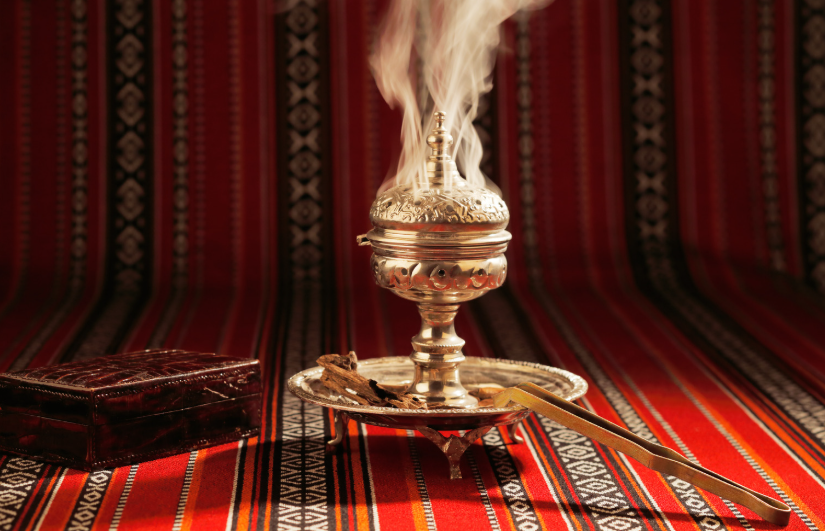
This breath of fragrance is no accident. In today’s Saudi Arabia, scent has long surpassed the realm of personal adornment, becoming a profound cultural expression, a ritual of spiritual purification, and a way of life passed down through generations.
{
}
The Roots of Fragrance: A Tradition Blessed by Faith
The cultivation of aromatics on the Arabian Peninsula dates back 7,000 years, primarily concentrated in the Dhofar region of the Sultanate of Oman. There are as many as 36 species of trees from which aromatic substances can be extracted, and frankincense alone—hailed as the “crown of aromatics”—comes from some 26 different species of Boswellia trees. On this land, aromatics are not merely scents, but imprints of civilization.
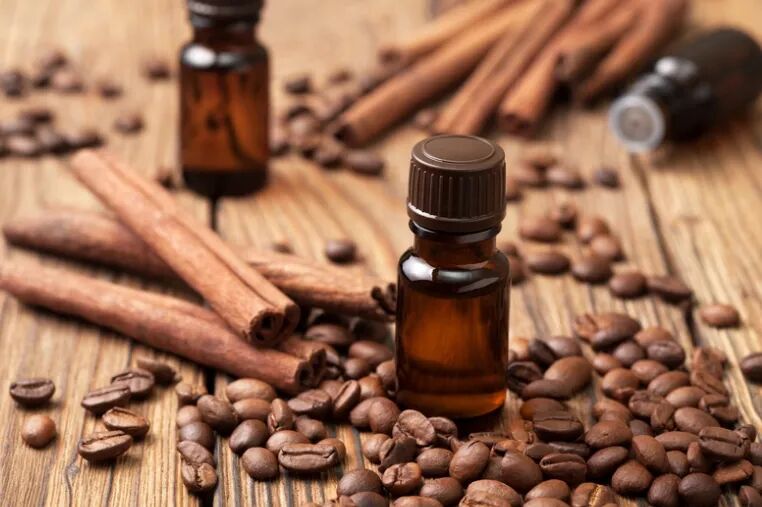
In Islamic culture, the use of fragrance is regarded as a “Sunnah”—a perfect union of noble spiritual life and refined material enjoyment. Muslims believe that the aroma of oud can purify both body and soul. Even when preparing the deceased for burial, the body is anointed with oud oil, symbolizing the washing away of worldly dust and a peaceful return to paradise. Whether for prayers at the mosque or the pilgrimage to Mecca, the purifying ritual of burning oud is indispensable. At the Grand Mosque in Mecca, the Perfume and Incense Department uses the finest aged incense to perfume the Kaaba and all mosque facilities.
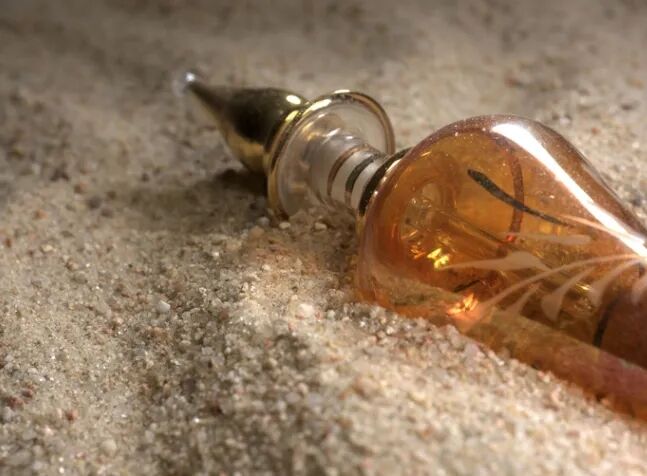
As one cultural researcher recounted: “I once witnessed this scene in Medina, Saudi Arabia: a local man brought his child to pray at the Prophet’s Mosque. The child took out a bottle of perfume carried from home and shared it with those around him. Those young hands held the perfume bottle, and his joyful expression flowed among the elders until the bottle was empty—that moment touched everyone present.” On this land, to share fragrance is to share blessing itself.
{
}
A Multi-Billion-Dollar Olfactory Economy
Behind Saudi Arabia’s huge perfume market lies an astonishing annual consumption power worth billions of US dollars.
In 2025, the Saudi Arabian perfume market was valued at approximately 2.43 billion US dollars (reaching 3.5 billion US dollars under some statistical standards). It is projected to grow to 3.62 billion US dollars by 2034, with a compound annual growth rate of around 4.52%.
Within the market, luxury products account for 61% of the share, while traditional Arabian perfumes make up 51%. Male consumers lead the consumption trend with a market proportion of 45%.
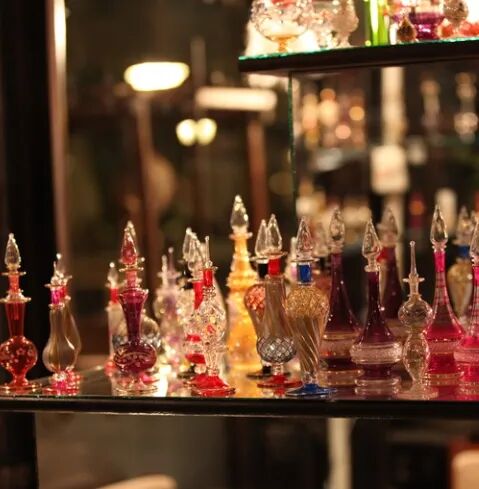
Behind these figures lies a deep-rooted cultural inertia in daily life: using perfume in Saudi Arabia is not an occasional act, but a daily ritual as regular as prayer, for both men and women. In Saudi homes, hosts will typically offer their personal perfume for guests to share, or light an incense burner to fill the air with fragrant smoke—an indispensable gesture of welcoming and hospitality.
{
}
Saudi Local Perfumes:
From Mecca’s Trade Routes to a Global Map
The story of Arabian Oud began in 1982 at Riyadh’s traditional Souk al-Azal. Starting from a single small shop, it has now grown into one of the largest perfume conglomerates in the Middle East, with over 1,200 stores across 37 countries and a product line exceeding 400 items. The brand specializes in oud-based fragrances, and its star products, such as Solid Black, Arabian Knight, and Kalemat, masterfully blend traditional Oriental elements with modern aesthetics. In 2012, it won five awards at the FiFi Arabia “Oscars of Perfume,” and in 2013, it was ranked first in the Middle East and Africa and eleventh globally by Euromonitor.
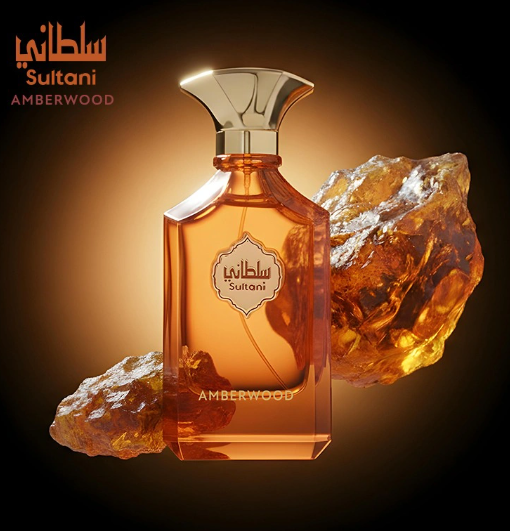
Older than Arabian Oud is Abdul Samad Al Qurashi (ASQ), founded in 1932. Its founder, Abdul Samad Al Qurashi, started his business trading in oud and incense, and passed down his craftsmanship through the generations. Today, ASQ has over 500 stores worldwide, offering everything from agarwood, incense, and perfumes to scented balms and hair fragrances. Its products come in packaging as exquisite as works of art, making them one of the most respectable gifts for newlyweds at Saudi wedding celebrations.
In addition, numerous other brands such as Ajmal, Rasasi, Swiss Arabian, and Almajed Oud are active in the market. Local brands are actively driving the industry forward by expanding their retail networks, investing in product innovation, and strengthening their e-commerce presence.
{
}
Hospitality that Permeates the Air
If perfume is fragrance worn on the body, then Bakhoor is the aroma that flows through the air.
Bakhoor is a traditional incense unique to the Arab world, typically made by soaking wood chips or powder in fragrant oils such as oud oil, rose, sandalwood, or musk, then blending them with resins, spices, flowers, and herbal essences. The traditional method involves placing these ingredients in a clay pot, adding essential oils, and continuously stirring and simmering until a thick paste forms, which is then cooled and crushed into a powder. Every batch of Bakhoor is a unique handmade creation, and many perfumers possess secret ancestral recipes passed down through generations, never disclosed to outsiders.
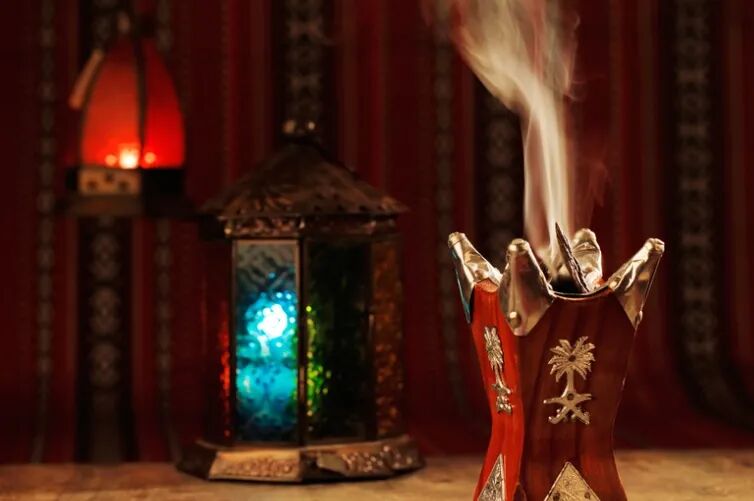
To burn Bakhoor, a specially made charcoal is lit and placed inside the traditional Mabkhara incense burner, and a small piece of Bakhoor is placed on top, sending fragrant smoke wafting upwards. The host will pass the incense burner among the guests, allowing each person to infuse their hair, clothing, and hands with the aromatic smoke—this is a unique gesture of Arab hospitality, akin to offering coffee and dates, embodying the most sincere warmth and generosity. During Eid al-Fitr, when Saudis visit relatives and friends, nearly every household burns oud, filling the home with its warm scent as they welcome visitors. From weddings to family gatherings, from Friday prayers to the early morning hours—burning oud is an ancient tradition practiced year-round in almost every Saudi household.
{
}
The Future of Fragrance:
A Deep Fusion of Tradition and Modernity
The current Saudi fragrance market is undergoing unprecedented transformation and reinvention. Consumers are increasingly gravitating towards unique, limited-edition, artisan-crafted fragrances rather than mainstream designer brands. At the same time, natural, sustainable perfumes free from synthetic allergens are winning the favor of a growing number of consumers.
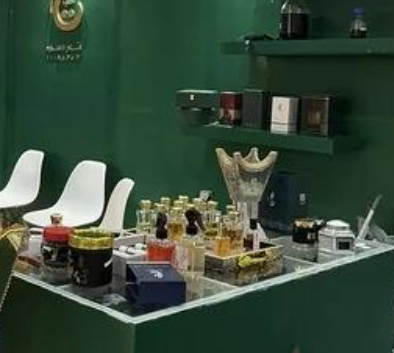
Meanwhile, e-commerce channels have experienced explosive growth over the past few years. By the end of 2024, the number of internet e-commerce users in Saudi Arabia had reached 33.6 million, an increase of 42% compared to 2019. This figure signifies that oud oils and handcrafted Bakhoor, once only found in Saudi Arabia’s old souks, are now reaching global consumers in unprecedented ways—this ancient incense aesthetic is being rewritten in the grammar of the digital age.
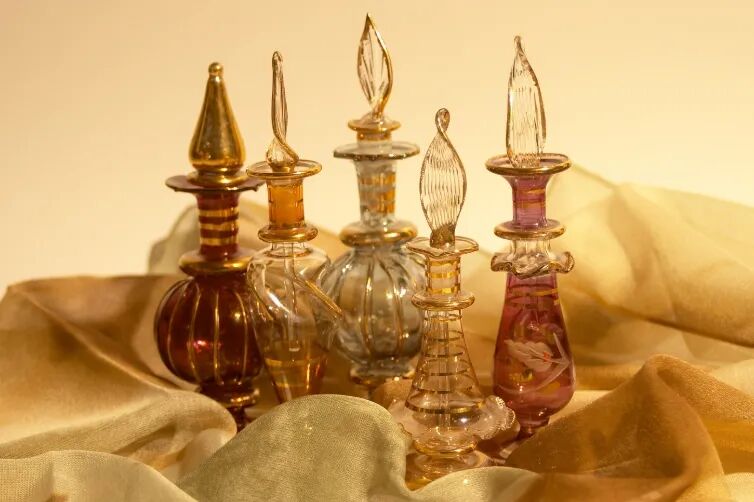
A single thread of fragrance, traversing a millennium. Whether in the ancient souks of Riyadh or today’s modern shopping malls, that profound, warm scent of oud remains unchanged—it is the cultural code by which Arabs cleanse the body, purify the soul, honor guests, and return to their faith. As one Saudi friend expressed: “A day without fragrance is like a morning without sunlight.”
On this land, which has been intertwined with fragrance for 7,000 years, perfume has never been a luxury—it is a necessity of life, a dwelling place for the soul, an invisible cultural code that flows through the blood of every Arab.

(Images sourced from the internet; please contact us for removal.)