

A Decade of Transformation: Saudi Arabia, the Middle East’s Hidden Travel Gem
What is your first impression when you think of Saudi Arabia? An oil-rich country whose people spend money like water? A conservative Middle Eastern kingdom of black abayas and strict religious codes? Or a dull, traditional, mysterious land that seems out of step with the modern world?
Over the past decade, a profound transformation has been quietly unfolding in Saudi Arabia. The person who has unlocked this mysterious country and brought it into the public eye is the Kingdom’s young architect of reform, Mohammed bin Salman. At just 40 years old, this young ruler has broken the conservative shackles of Saudi Arabia and turned a once closed and niche country, suited only to pilgrimage and business travel, into an open, inclusive and varied new Middle Eastern travel destination that works for visitors from around the world.
Today let us look at it from a travel perspective: how much has Saudi Arabia really changed over these ten years? The new landscapes, new activities and new experiences that overturn every assumption are well worth the trip.
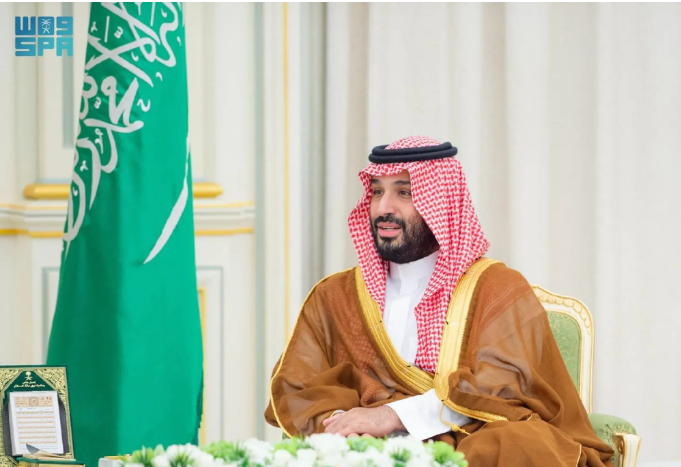
Mohammed bin Salman bin Abdulaziz Al Saud
Crown Prince and Prime Minister of Saudi Arabia
01 From closed and mysterious to open and free: the travel experience upgraded across the board
Ten years ago, Saudi Arabia was largely unfamiliar to ordinary travellers. Women faced restrictions on going out, entertainment venues barely existed and visitor facilities were scarce. The whole country felt solemn and stifling, and very few ordinary travellers put it on their list. At that time, Saudi Arabia was, in the popular imagination, a remote, conservative and hard-to-reach Middle Eastern nation.
Over this decade, Saudi Arabia has taken the lead in lifting social restrictions, opening its doors wide and embracing travellers from all over the world.
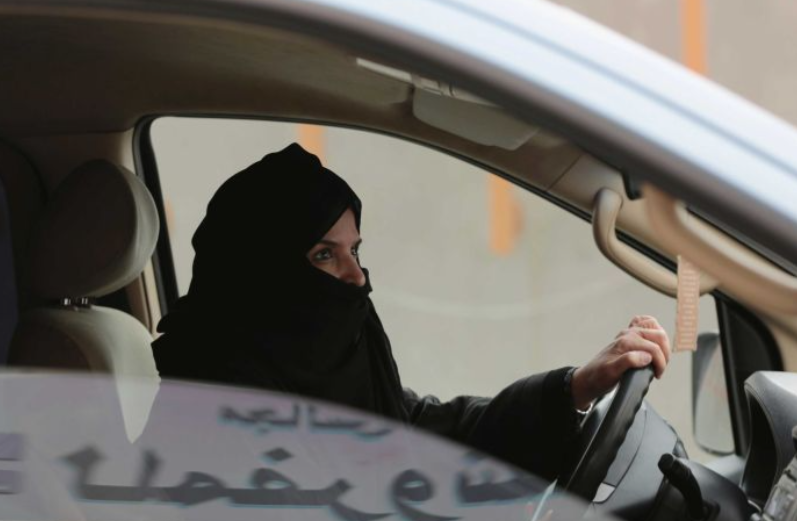
In 2018, one decree from him lifted the ban on women driving, ending half a century of restrictions on the movement of Saudi women. For the first time, Saudi women held a steering wheel in their own hands and truly gained the freedom to travel.
Immediately afterwards, a series of disruptive changes followed one after another:
✅ Women gained equal rights to work, study and start businesses, and no longer needed to be accompanied by a male guardian. Large numbers of women moved into the workplace, the retail sector and government posts, breaking down gender barriers in employment once and for all;
✅ Cinemas that had been closed for decades reopened across the country, while concert halls, art festivals and live shows sprang up everywhere. International superstars came to perform in Riyadh, and niche trends and contemporary art entered everyday life;
✅ Tourist visas were introduced and many secular restrictions were lifted, so ordinary travellers could enter without a special sponsor. A country that had once admitted only business visitors and pilgrims formally opened its arms to travellers from around the world;
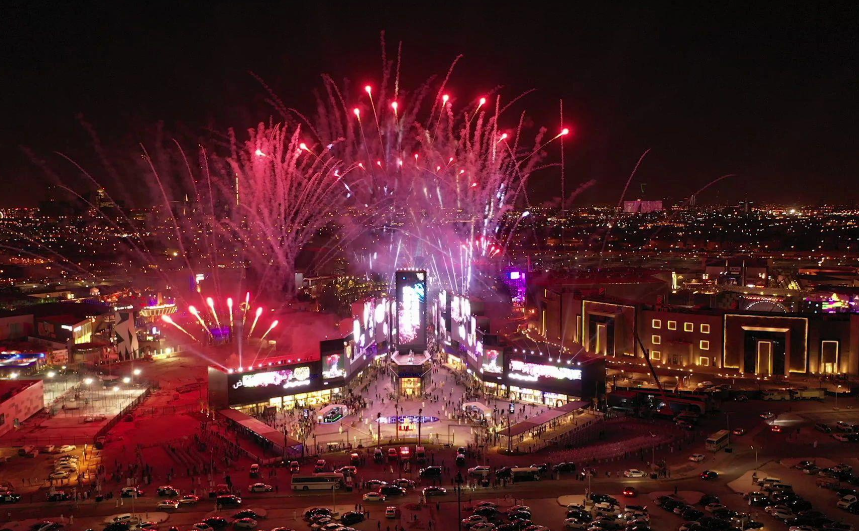
Riyadh Season is a flagship national cultural and tourism festival held in Saudi Arabia every year from October to March since 2021, bringing together international sporting events, performances, theme parks and cuisine from around the world; it is a landmark public entertainment festival in the Middle East.
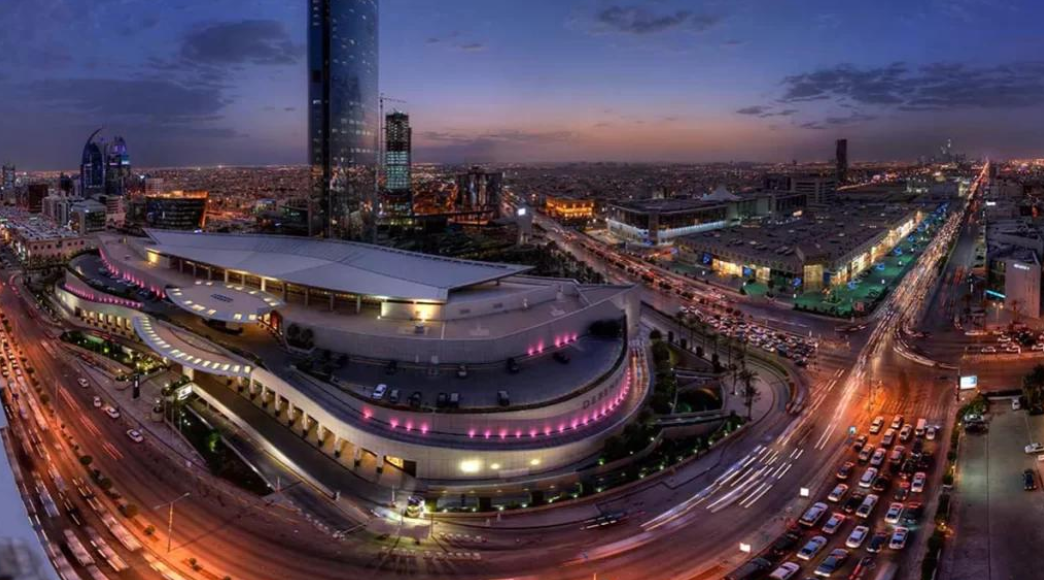
Kingdom Centre, landmark shopping mall
Today the streets of Saudi Arabia are no longer a solemn sea of black abayas. Young men and women dress fashionably and are full of energy, shopping malls are packed and buzzing, and music festivals, sporting events and theme parks are busy all year round. The old, dull and conservative Saudi Arabia has long since become a lively, open new Saudi Arabia.
The core of this social reform was never about overturning tradition, but about giving young people the right to choose. With young people making up a very high share of the Saudi population, Salman has used openness to keep the energy of the young, and has lifted this ancient kingdom out of rigidity and stagnation.
02 Beyond the single label of oil: the rise of hugely popular new travel cities
Guided by Vision 2030, Saudi Arabia has launched a comprehensive upgrade of its cities and tourism industry, with one core objective: to shake off the label of a single-resource country and build a world-class tourism and holiday destination.
To reach this goal, every move it makes is bold:
🔥 Heavy investment is going into world-class new cultural and tourism cities that overturn people’s assumptions about Middle Eastern cities; it is building up the tourism, leisure, sport and arts industries on a large scale to create a complete system for travel and recreation, with signature events in every season;
🔥 Blockbuster landmarks keep appearing: the futuristic new city NEOM and the entertainment city Qiddiya, both striking in looks and rich in experience, have become the latest must-visit hot spots;
🔥 Entry and travel policies have been greatly simplified, lowering the threshold so that ordinary travellers can visit Saudi Arabia with ease.
Ten years of sustained effort have produced remarkable results. Today’s Saudi Arabia is no longer a monotonous desert oil town, but a hidden travel gem of the Middle East that is strikingly beautiful, rich in things to do and suited to all ages: niche and high-end, unique in experience, and outstanding in both value and rarity.
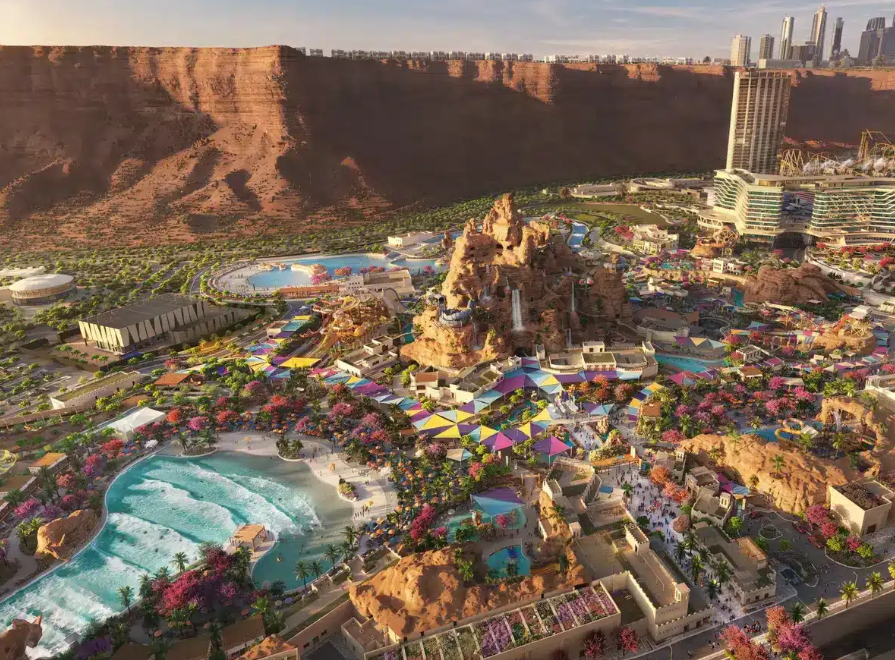
Six Flags Qiddiya City theme park, Riyadh
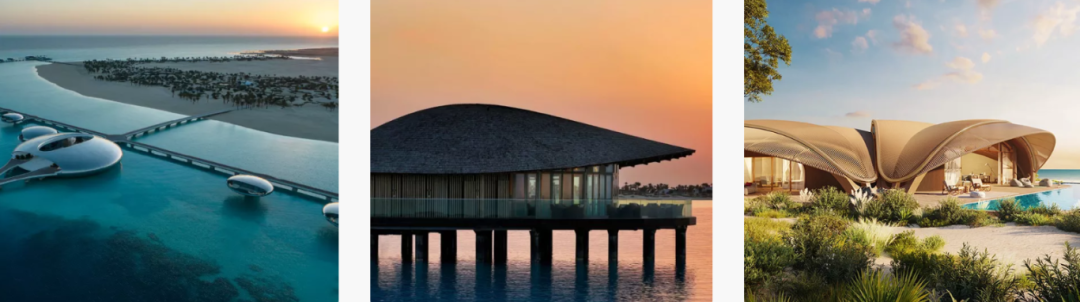
Red Sea Project resort themed hotels
03 Where tradition meets the new: unlocking a one-of-a-kind Middle East journey
Of course, Salman’s reforms have never been perfect. Radical new policies and an iron-fisted style have kept him at the centre of controversy, and opinions about him remain divided. But it is undeniable that without his bold and decisive action, there would have been no decade of transformation in Saudi Arabia.
This 40-year-old leader has broken with the conservative, comfortable development model of his ancestors and, against enormous resistance from conservative forces, accomplished in ten years the changes that several generations of Saudis never dared to make:
From closed and conservative to open and inclusive; from being tied to one resource to diversified development; from passive dependence to proactive rise. As Salman himself has said: the future of Saudi Arabia does not depend on oil, but on the minds and potential of its people.
Today’s Saudi Arabia still retains the depth and solemnity of traditional Islam, but has gained modern vitality and openness. The old and the new living side by side, tradition and modernity blending together, is the most moving thing about this great Middle Eastern nation. In the future, this country that keeps breaking through and evolving will bring the world more surprises.
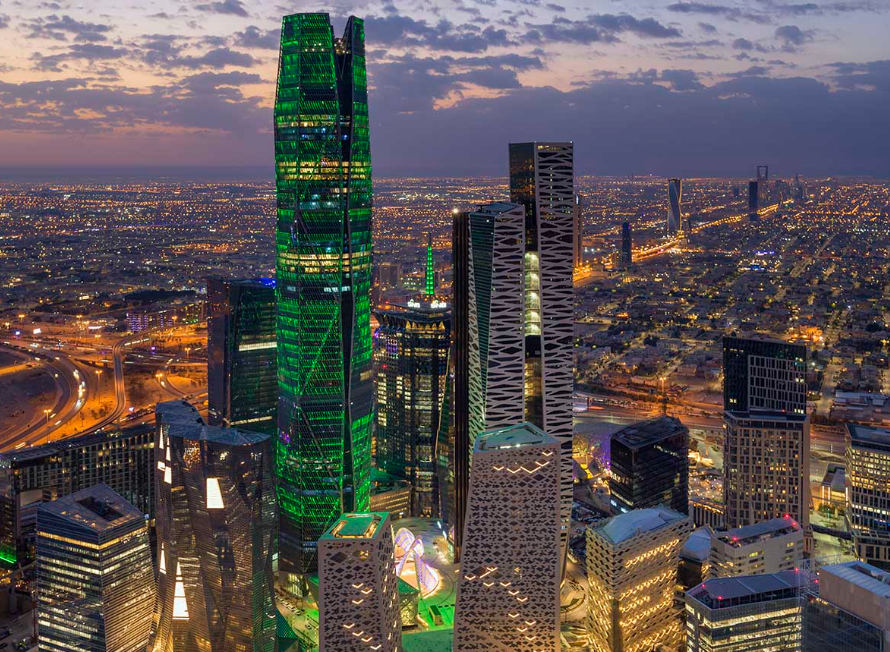
Riyadh’s night skyline
(Images sourced from the internet; removed on request.)