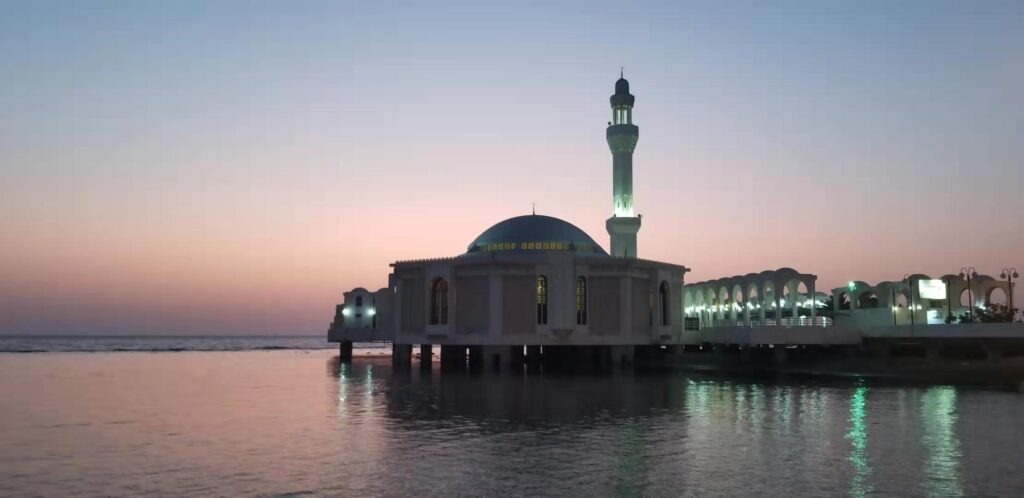


Saudi Business Travel: Important Tips and Precautions
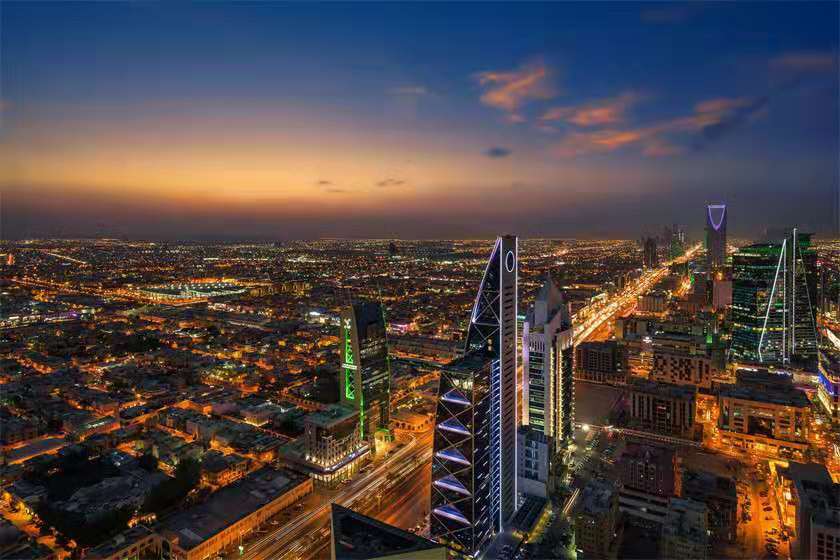
Dear customers: To make your journey easier, we have specially prepared the “Saudi Business Inspection Guidelines” for you. Please read the following carefully:
Travel documents: Please be sure to carry a passport with a valid visa together with your flight tickets. Guests holding a newly reissued passport must also bring their old passport with them for inspection by border and customs authorities.
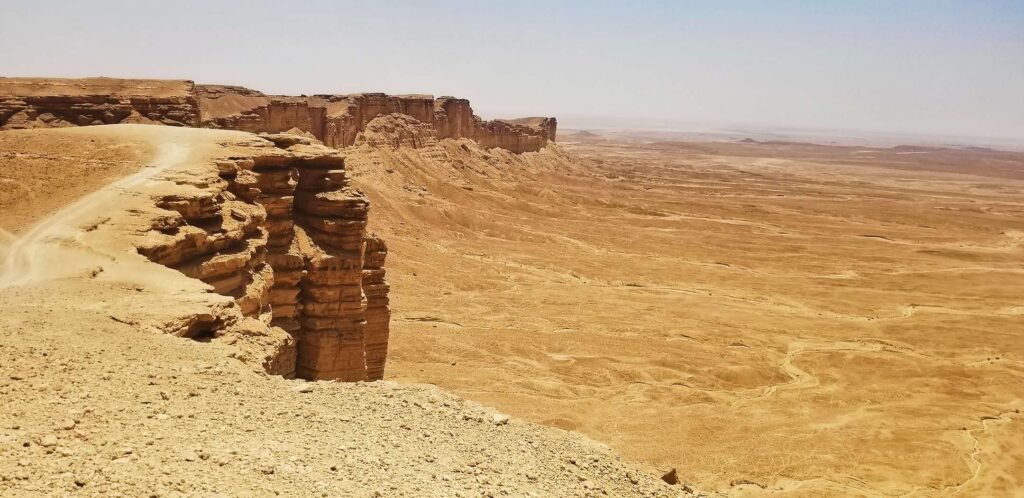
Local language: The official language is Arabic. However, as service staff in most industries are largely expatriate workers, English is relatively widely used in major cities such as Riyadh and Jeddah.
Hello السلام (Salaam) Goodbye مع السلامة (Ma’a as-salama) Thank you شكرا (Shukran) I am sorry مع الأسف (Ma’a al-asf) It does not matter لا بأس (La ba’s) Railway station محطة سكة حديد (Mahattat sikkat hadid) Bus station محطة سكة حديد (Mahattat sikkat hadid) Airport مطار (Matar) Hotel فنادق (Funadiq) Police station مديرية الشرطة (Mudiriyyat al-shurta) Hospital مستشفى (Mustashfa) Toilet مراحيض (Marahid) Yes نعم (Na’am) No لا (La) How much كم (Kam) A little cheaper, please أرخص (Arkhas)
Time difference: Five hours behind Beijing time.
Currency: The Saudi riyal. Banknotes currently in circulation come in denominations of 1, 5, 10, 20, 50, 100, 200 and 500 riyals, and coins in denominations of 1 riyal and 5, 10, 25 and 50 halalas. 1 riyal = 100 halalas. Currency symbol: SAR. All foreign currencies can be exchanged at airports, banks, post offices, most hotels, or licensed foreign exchange bureaus in major cities. A passport must be presented when cashing traveller’s cheques. Exchange rates vary from place to place, and banks may charge a certain fee.
Mains voltage / sockets: 127V/220V
Socket types: 


Emergency numbers:
| Police | 999 |
| Ambulance | 997 |
| Fire | 998 |
| Directory enquiries | 905 |
| Time service | 961 |
| Telephone faults | 904 |
| Consular section | 2812090 |
| Embassy | 2812083 |
| Traffic accidents | 993 |
Greeting etiquette: The people of the Kingdom of Saudi Arabia take Islam as their state religion. This land is also the birthplace of Islam and the homeland of Muhammad, so their traditional etiquette is largely the religious etiquette of Islam. Nowadays, of course, with the rapid development of global economic integration, local traditional and religious etiquette has been greatly diluted and replaced by forms of etiquette common throughout the world. As a general rule, therefore, Saudis shake hands when they meet. Sometimes they also perform the fist-to-chest salute: when people meet, they raise the right hand in a fist in front of the forehead and place the left hand over the heart, while exchanging greetings and good wishes, such as good morning, good evening, and wishes of peace and happiness. Great respect is shown to the elderly. Women are not permitted to have contact with strangers; when going out they must wear the long robe and a veil, and must be accompanied by a relative or a female servant. Women may not go out alone, still less receive guests. Bedouin men greet each other by touching the other’s forehead with the nose, then embracing.
Dress etiquette: The traditional dress of the people of the Kingdom of Saudi Arabia is the robe — long, wide and voluminous — worn by people of every social class. Men mostly wear white, long-sleeved, high-collared double-layered garments, made of wool in winter, with a square embroidered cap on the head and leather boots on the feet. Women usually wear a large black robe, with a black gauze veil over the head and face so that outsiders cannot see their true faces. According to historical records, women in ancient times were mainly constrained by tribal customs; after Muhammad founded Islam, women’s status improved somewhat, but on the whole — especially compared with men — it remained very low, and women generally laboured at home. There have been changes in modern society, but overall the situation persists. From hair to feet, nothing of a woman may be exposed; even her voice must not be heard by unfamiliar men. If a woman peeks at a man through her veil, she is considered to be behaving improperly. If a man sees a woman, he is considered the most unfortunate of men. Foreign women in the Kingdom of Saudi Arabia must take particular care with their clothing: short skirts are not allowed, and nothing may be exposed. Even female diplomats have not been permitted to wear short skirts when playing tennis — one female diplomat was once declared persona non grata on these grounds and had to leave.
Dining etiquette: The people of the Kingdom of Saudi Arabia eat like most Asians, with three meals a day — breakfast, lunch and dinner — dinner being the main meal. Breakfast usually consists of bread, sweets, eggs and cheese; lunch of rice, noodles, meat and vegetables. Their favourite foods are lamb and camel meat. After meals they drink tea or coffee and eat fruit, and their favourite drink is camel milk. Under the rules of Islam, alcohol is forbidden and regarded as the source of all evil; the prohibition is strict: it may not be made, sold or consumed. What is distinctive about the cuisine is its seasoning with spices, barks, fruits, seeds and juices, which also have medicinal value. Besides the common chilli, cloves and nutmeg, special ingredients include dates, cardamom, dried limes, mahlab, lichen, rose water, orange-blossom water, smoketree tannin, saffron, za’atar, tamarind seed and frankincense, some families still keeping ancestral recipes. Entertaining guests with precious spices and food shows the utmost respect for them.
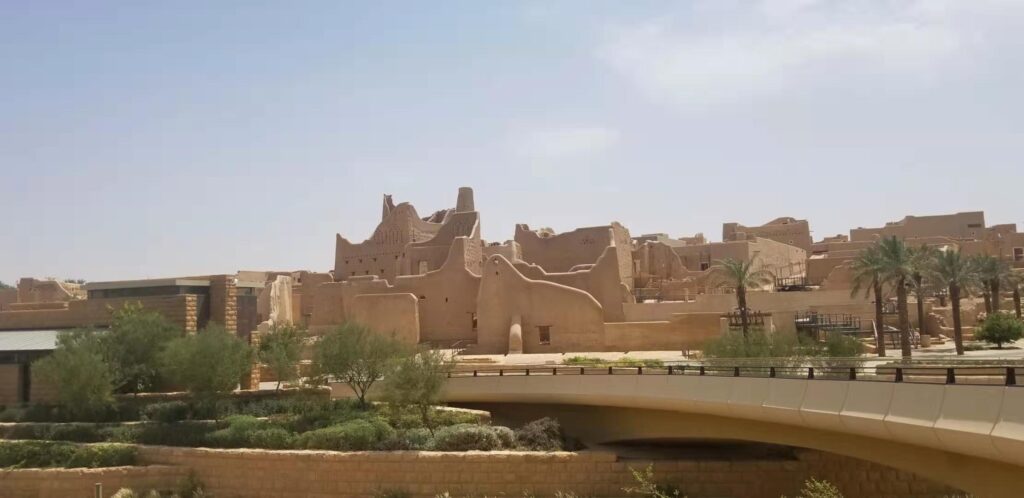
Tourism etiquette: The Kingdom of Saudi Arabia has comparatively rich and distinctive tourism resources, for every year more than two million Muslims from around the world come on pilgrimage to Mecca, the principal tourist destination. As the birthplace of Muhammad and the first holy city of Islam, its Kaaba in the city centre and its mosques are a paradise for pilgrims, and the silver-framed Black Stone, the holy well and other sites are places pilgrims must visit. Mina is where Muslim pilgrims “cast stones” to ward off evil. Medina holds the tomb of Muhammad and the tombs of the first and second caliphs, as well as great mosques and historic sites. Abha is a summer resort. Mount Arafat is also holy ground for pilgrims. Asir, on the shores of the Red Sea, is a national park. The ruins of the ancient capital — Diriyah; and the international stadium in the capital Riyadh is among the most beautiful and magnificent in the world. Pilgrims must enter a state of ihram: fighting and brawling are forbidden, quarrelling is not allowed, killing living creatures is prohibited, and flowers, grass and trees must not be trampled. Other tourists must observe these rules as well.
Business etiquette: Muslims are adept at commerce — Muhammad, the founder of Islam, was himself a merchant by origin. In their business activities they abide by Islamic rules and religious law and strictly observe business ethics.
Main folk customs: They attach great importance to their religious festivals. Take Eid al-Fitr: for an entire month, eating, drinking and entertainment are forbidden during the day, while at night people shop, visit friends, bathe and pray — it is regarded as their New Year. Eid al-Adha, also known as the Feast of the Sacrifice: most households slaughter sheep or cattle, and some even camels; the celebrations are very lively. There is also Mawlid, commemorating the birthday of Muhammad, often marked by Quran recitation and storytelling.
Main taboos: Pork is forbidden; smoking, alcohol and gambling are not allowed, and all forms of idol worship are banned. They are devout Muslims who forbid extravagance and luxury: silk may not be worn, and men may not wear ornaments. Even music, dancing and films are opposed and prohibited. Books may not carry portraits of human heads or figures; even pictures of animals are forbidden. So take particular care when giving books, calendars and the like to Saudis. They worship the one God and oppose everything else, such as the veneration of prophets, auspicious days, divination and so on.
Friendly reminders:
*Show respect and offer assistance to the elderly first, regardless of their social status; *The water contains a high lime content, and drinking it can easily lead to stones, so it is advisable to buy separate drinking water for cooking and general use; water charges are also billed on a progressive scale; *Never ask a Saudi man to remove his headscarf or headwear on any occasion; apart from her own family, do not expect a Saudi woman to lift her veil in front of other men; *Apart from her own family, do not expect a Saudi woman to lift her veil in front of other men; *Saudis consider it taboo to hand anything to others with the left hand, which is regarded as unclean. Anything should be passed with the right hand — there is no need to use both hands; *Make an effort to learn a little Arabic, or at least some basic expressions of courtesy, to create a sense of closeness in your dealings with each other; *Photography is not allowed in public places, at scenic spots or of certain buildings in Saudi Arabia. If you do intend to take pictures, be extremely careful to avoid having your motives misinterpreted and causing trouble; *Traffic safety and travel precautions: locals like to drive fast and the accident rate is high, and Saudi Arabia has recently increased traffic penalties. To avoid imprisonment and corporal punishment — and above all for the sake of your own life — obey the traffic rules when driving, pay attention to the vehicles around you and drive with care; *Unless you are close friends, do not generally ask about personal matters, including his or her family, and still less about what his wife or her husband does; *Do not beckon to people with your hand or point at them with your finger; *All food in Saudi Arabia is halal. So even when giving chocolate or sweets from China that contain fats or oils, your host will consider whether they are halal food. Choose with care; *Shorts shorter than the knee may not be worn on the streets of Saudi Arabia; *The local food differs considerably from what you are used to at home. You may bring some pork-free instant noodles, pickled vegetables and chilli sauce, or small snacks to suit your own taste, to ease the dietary adjustment in the early stage. Never bring any alcoholic drinks — and, of course, no fruit or agricultural produce either; *Bringing in any pornographic pictures or films is prohibited, and there are sometimes spot checks at the airport; *If you are entering Saudi Arabia for travel during Ramadan, take special care: you may not eat, drink or smoke in public places during the daytime.